
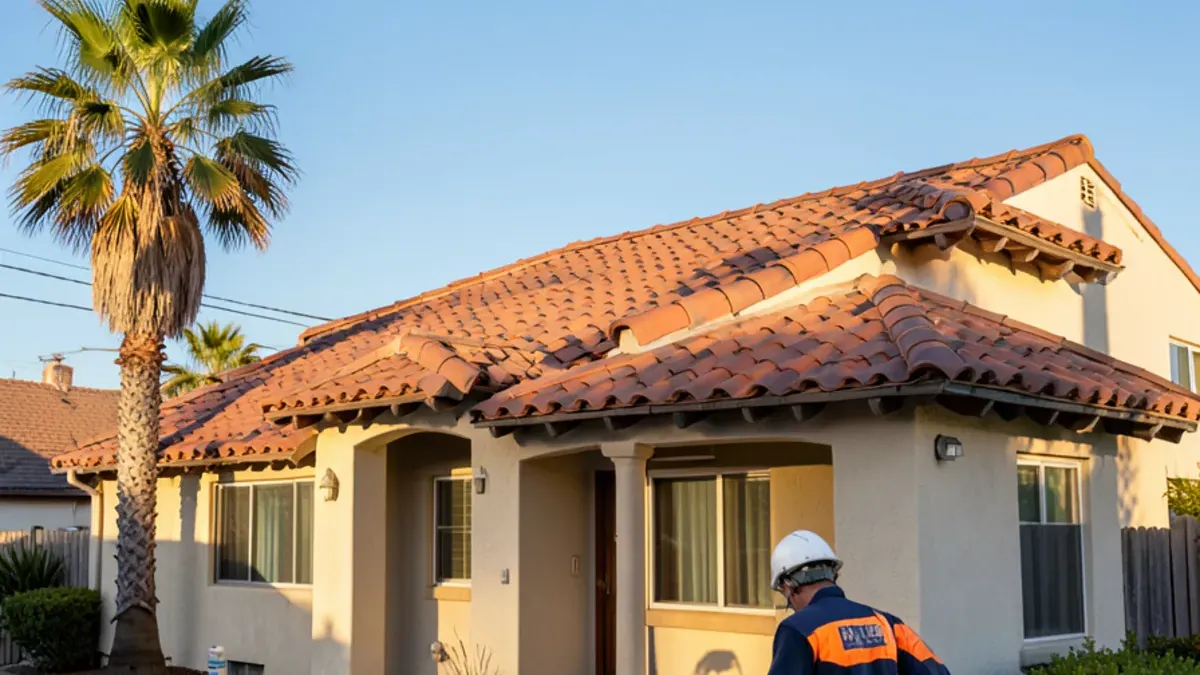
Tile roofing in Alameda: clay, concrete and slate-look
Clay tile, concrete tile and slate-look products are the three tile families homeowners ask about. Clay tile is fired terracotta with a barrel or flat profile. Concrete tile is molded and colored, often lower in price and heavier. Slate-look roofing imitates natural slate or tile in a lighter material.
Tile roofs sit on Mediterranean-style stucco homes around the island. If your house already has tile, the questions are about the layer under it. If you are thinking of tile on a house with shingles, the questions are about weight and whether the look fits.
What a tile re-lay or replacement includes
The estimate should itemize each of these, so a bid with a lower number can be compared honestly:
- Careful removal of tile in sections, with good and broken tile sorted
- New underlayment across the dried-in deck
- Replacement of failed flashings at chimneys, walls and valleys
- New battens or bedding where the tile pattern calls for them
- An allowance for matching replacement tiles, stated per tile
- Cleanup and a walkthrough with a site supervisor
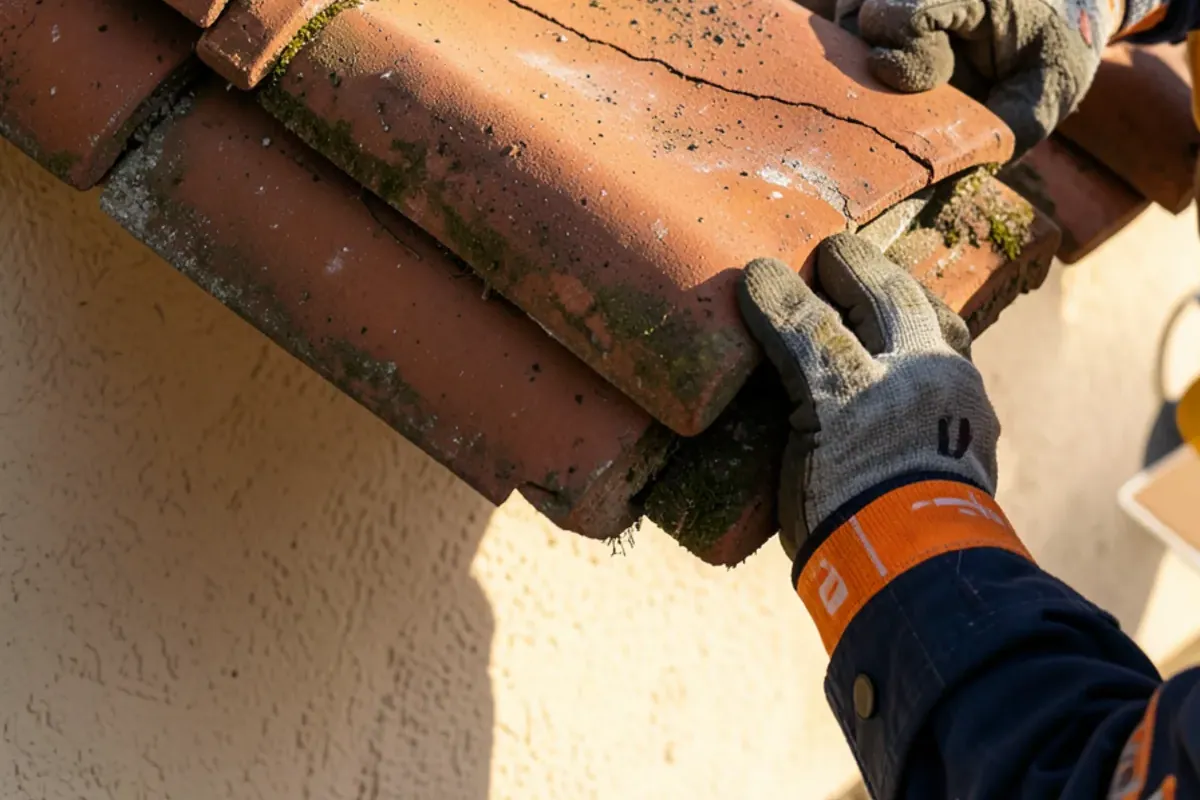
Tile roof replacement or re-lay: which do you need?
Choose a re-lay when the tile is sound and the underlayment has failed. Choose a replacement when the tiles are cracking, the framing needs work or you want a different material. The inspection tells you which.
Check these before you decide:
- Tile condition. Tap a sample. Soft, flaking or hairline-cracked tiles do not belong back on the roof.
- Underlayment age. Tile often outlives the layer beneath it, so a roof with tiles in good shape can still leak.
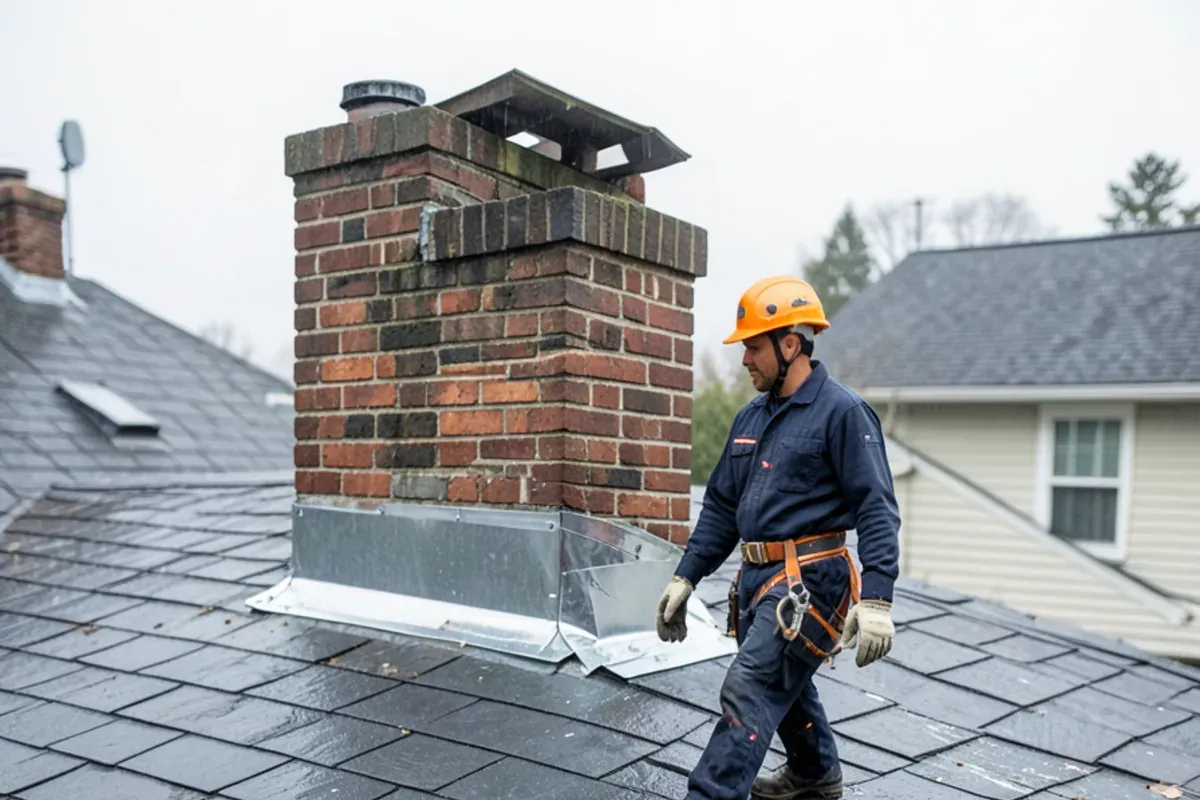
- Flashing. Chimneys, sidewalls and valleys fail before the field of the roof does.
- Decking. Lifting the tile shows the boards. On one Alameda job aged decking found at tear-off was explained in a change order before work went on.
Signs your tile roof needs attention
Slipped or cracked tiles, stained attic boards, and leaks at chimney or valley flashing are the usual signs. On tile, a leak rarely means the tile itself failed. Underlayment under the tile ages out first, and water follows it to the nearest flashing. A hairline-cracked tile sitting in a valley is an urgent fix, because water pools there. Keep photos of any cracks you spot from the ground, since they speed up the inspection.
The re-lay process
A re-lay is a controlled sequence, because every tile is handled twice. This is how we run one.
- Inspection and sample test. We check tile hardness, underlayment condition and flashings, using aerial photos on steep or multi-section roofs.
- Written estimate. It lists the re-lay of existing tile, the number of replacement tiles allowed and the decking repair rate.
- Permit. Read the estimate line on who pulls the permit, and confirm it with the Permit Center.
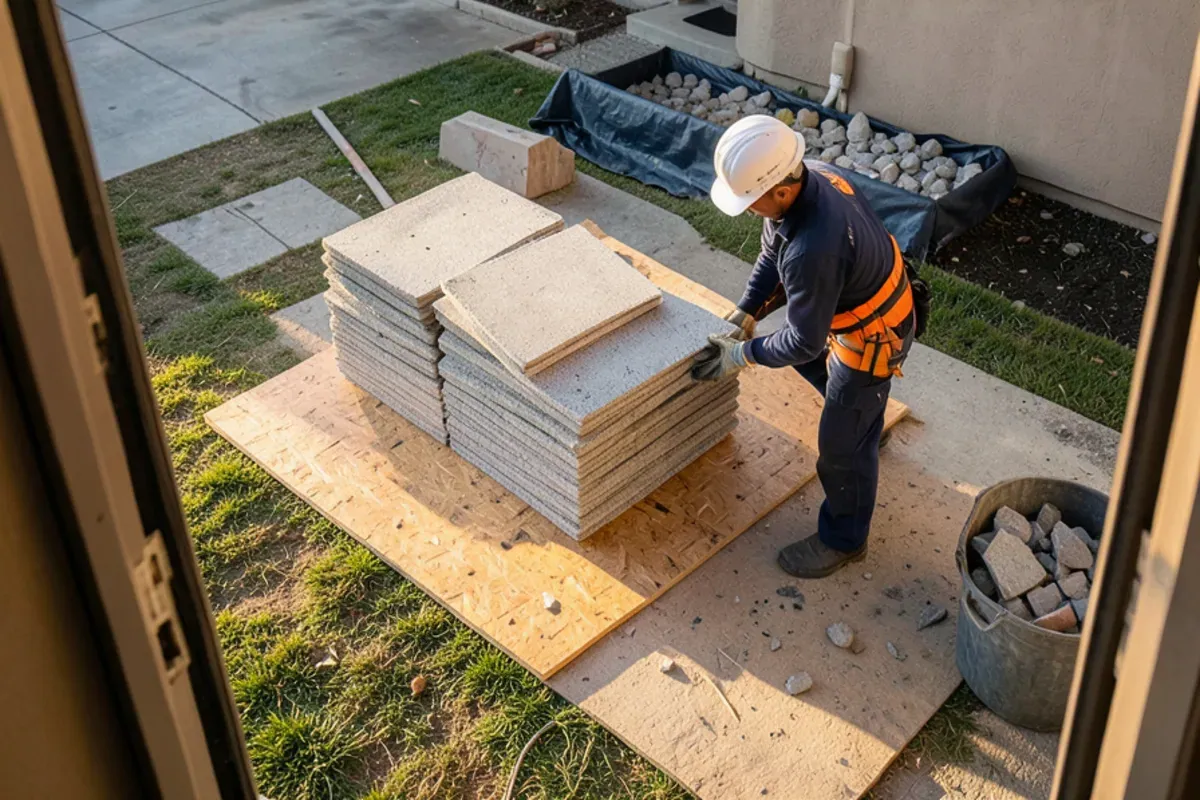
- Careful removal. Tile comes off in sections, is sorted into good and broken, and is stacked on padding, not on the lawn.
- Deck inspection and repair. Soft boards are replaced by written change order.
- New underlayment and flashing. The deck is dried in, then flashing and battens are installed.
- Re-lay. Good tiles go back in pattern, with matching replacements for broken ones.
- Cleanup and walkthrough. A site supervisor walks the roof with you.
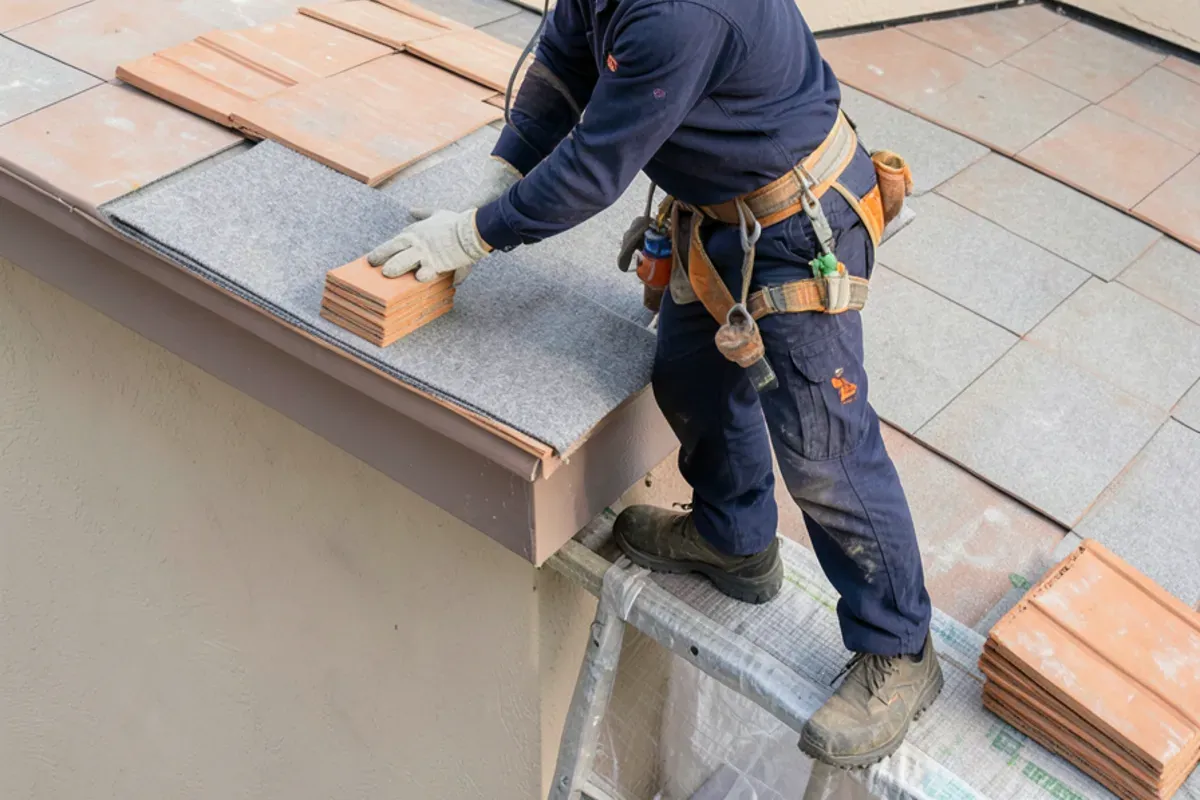
Spanish tile roof installation and new tile
New tile starts with structure. Tile weighs several times what composition shingle does, so a change from shingle to tile can require added framing or shear support. A structural engineer should review that before you order. Many owners choose a slate-look or heavy architectural shingle for the same appearance without the load.
Spanish-style barrel tile also asks for correct eave closures and bird-stop detailing, plus bedding at hips and ridges. Ask any bidder how they handle these details.
Slate roofing in Alameda
Natural slate is a premium roof with a very long life and a high price. If you have a slate roof, repair with matching slate where possible, and expect a specialist to be involved. For new work, slate-look composite products give a similar look at lower weight. They are not identical, and a sample on your own roof tells you more than any brochure.
What does a tile roof cost?
Tile costs well above composition shingle, and we give no dollar figure because tile jobs vary too much to quote blind. The best answer is a written estimate after an inspection. Cost drivers:
- Tile type and profile, and whether matching tile is available
- Re-lay versus full replacement
- Roof pitch, complexity and access
- Decking condition, which is only known once the tile is lifted
- Flashing, chimney and skylight work
- Structural review if the weight will change
Only the written estimate gives you a price you can rely on, so ask for broken-tile allowances and the decking rate on it.
Permits, weight and licensing for tile roofs
The City of Alameda Permit Center requires permits for most construction work, and the estimate should state who pulls yours. A change from shingle to tile adds weight, so ask for a structural review in writing before you order. Tile or slate-look work that changes how a historic house looks may also need Planning design review. California requires a C-39 Roofing classification from the Contractors State License Board, so verify any bidder's license number at cslb.ca.gov. Alameda's Climate Zone 3 sits outside the Title 24 cool-roof lists for single-family reroofs, so reflective tile is optional (Cool Roof Rating Council).
Where we handle tile roofs
From our Webster St office in Alameda, Oakland is roughly 12 minutes away, Berkeley about 18, San Leandro about 24 and Hayward about 31. These are estimates, longer at commute hours on the bridge and tunnel routes.
Pair this page with cool roofs if reflective tile colors matter to you, and solar-ready roofing if panels will sit on the new roof.
Care for a tile roof
Keep foot traffic off the tile. Clear valleys and gutters, and have flashing checked after strong wind. Replace cracked tiles promptly, because a hairline crack lets water sit on the underlayment.