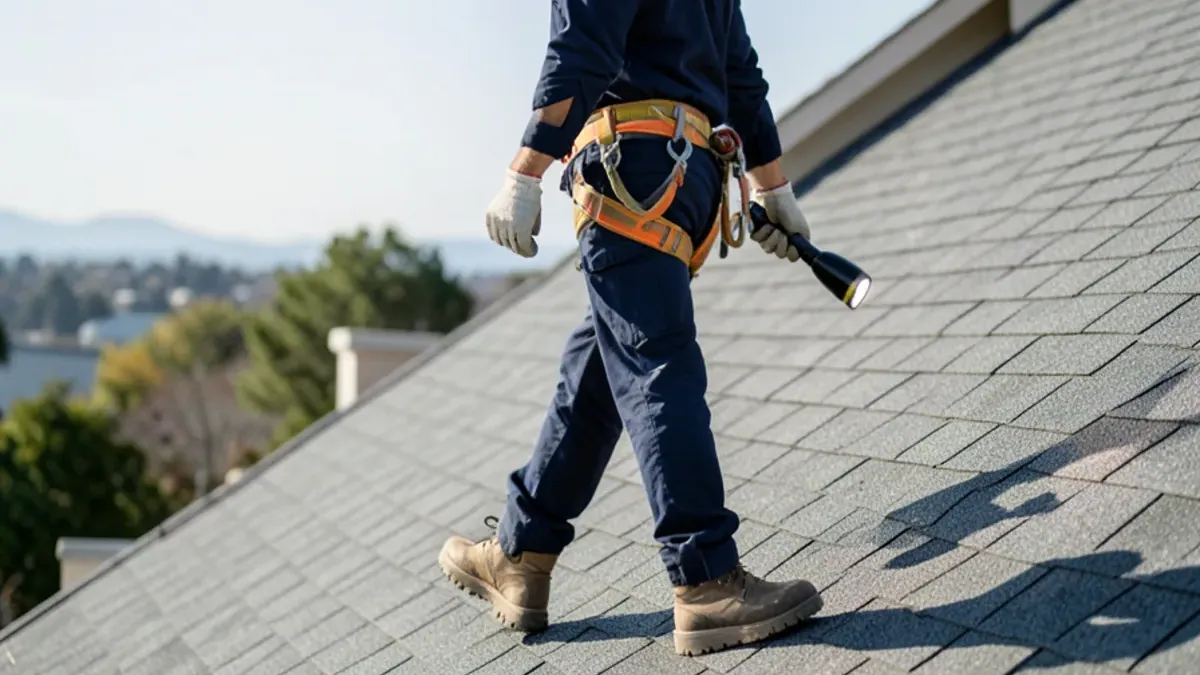
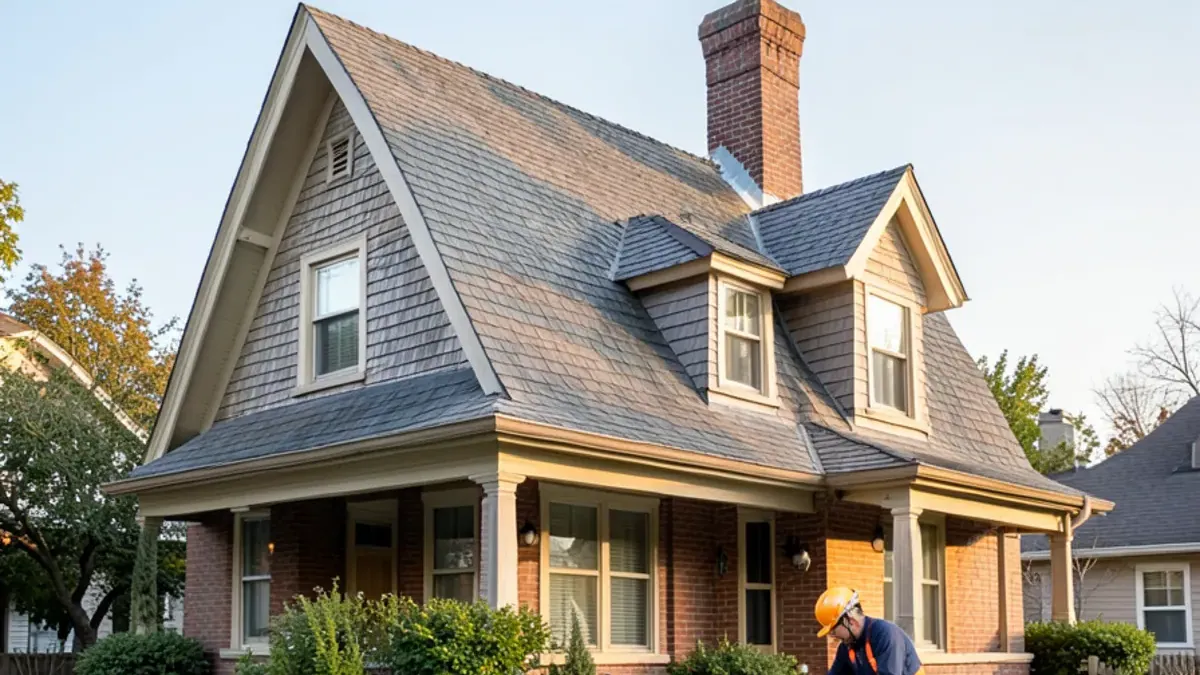
The Alameda roofing guide
Costs, permits, timing and how to decide, written for owners comparing bids. Sources are named in the text so you can check them.
What does a roofing contractor in Alameda do?
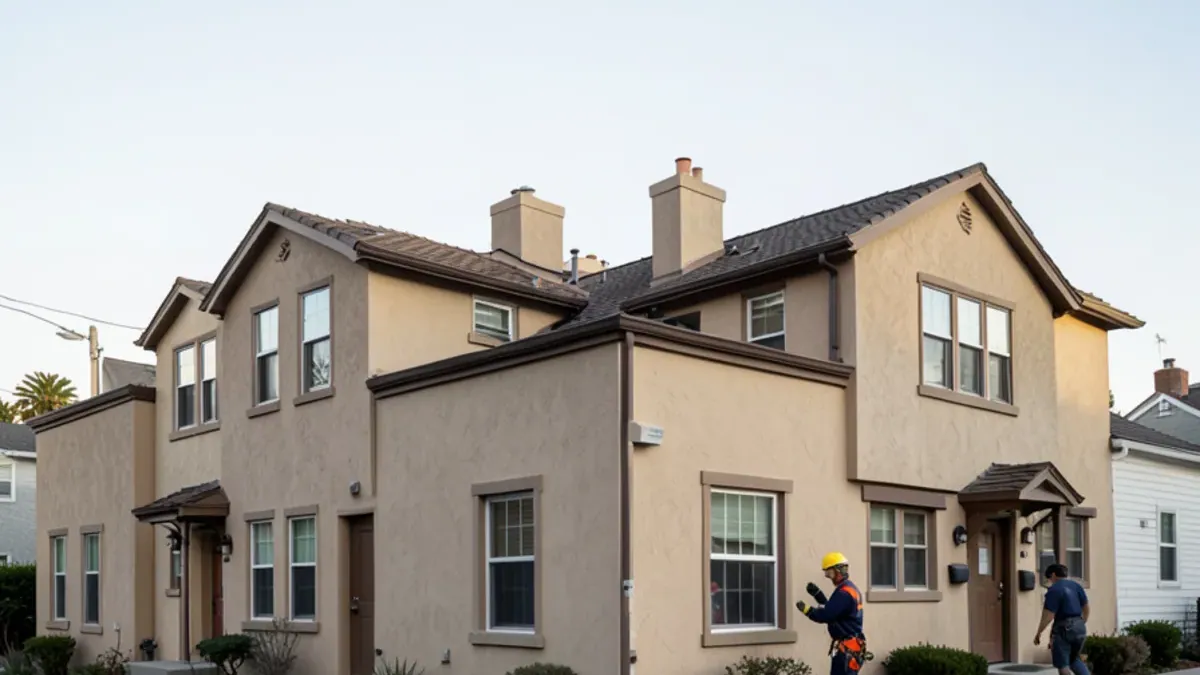
A roofing contractor, or roofing company, inspects, repairs, replaces and maintains roofs. In Alameda that work comes down to two constraints: rain that arrives almost entirely from October through April, and housing that is older than most of the East Bay. 31.9% of Alameda homes were built in 1939 or earlier, and the median construction year is 1965 (Point2Homes).
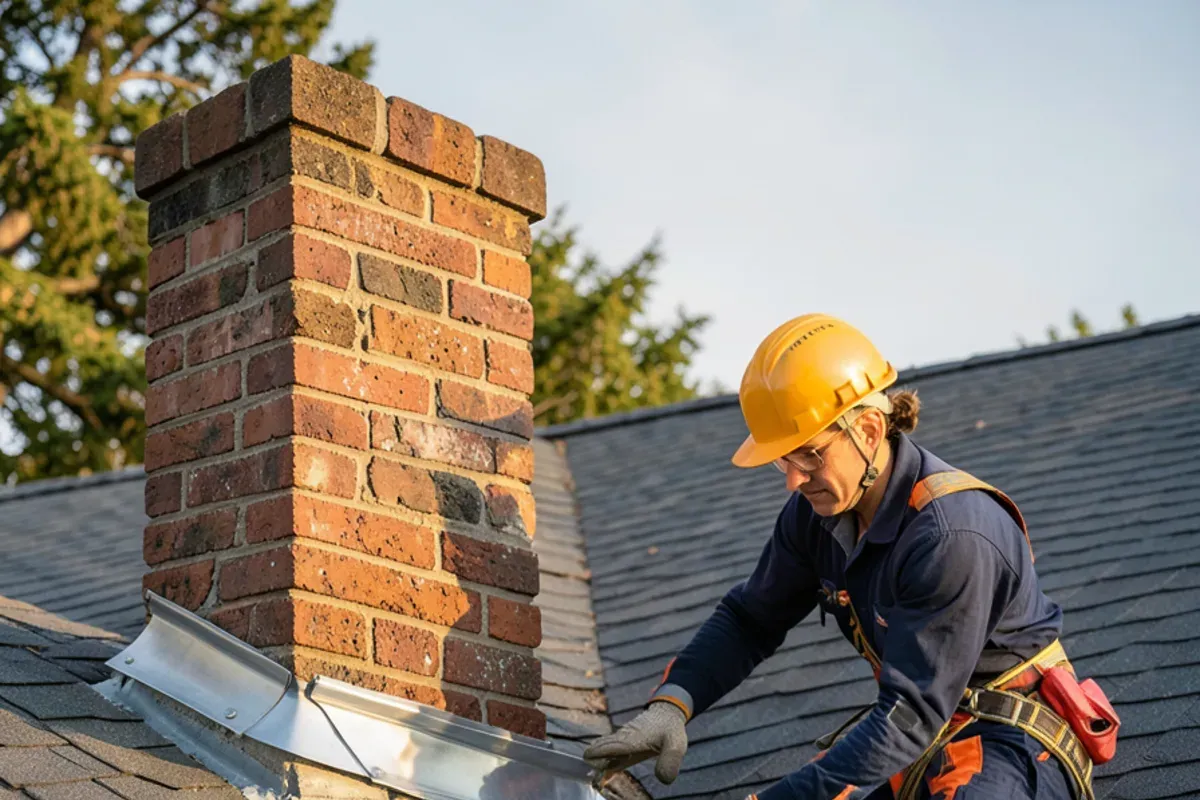
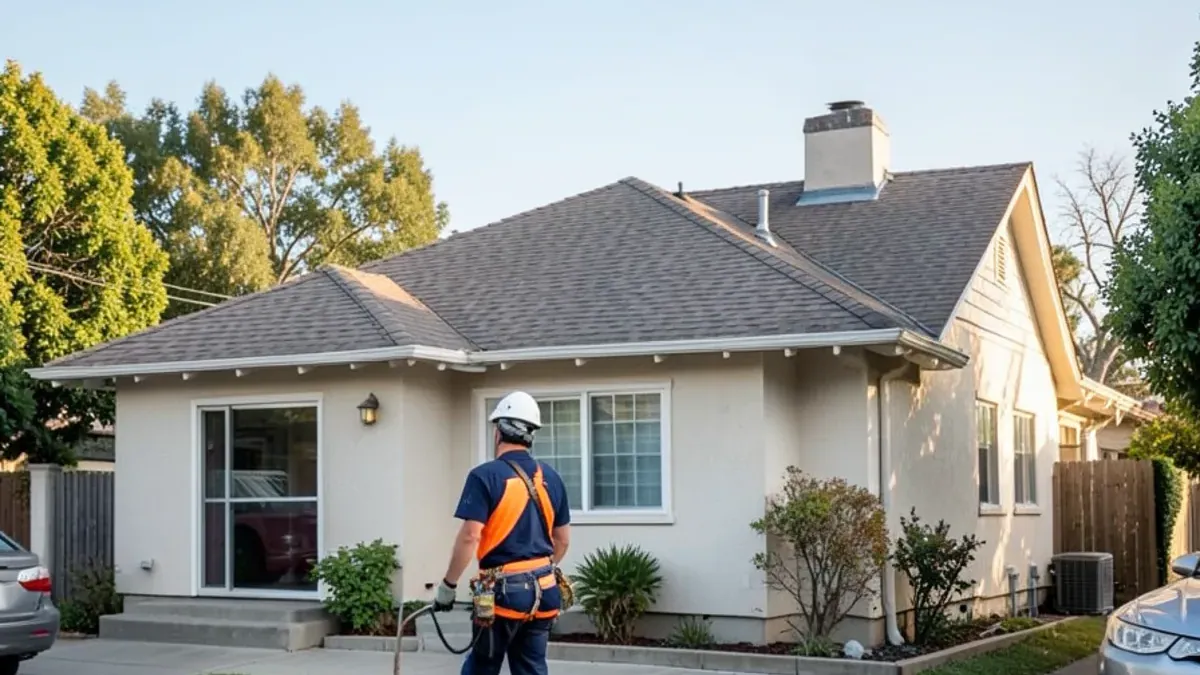
Roofing materials for Alameda homes come down to composition shingle, flat and low-slope, metal and tile, and we work on all of them, plus the parts that keep them dry: gutters, skylights, flashing and attic vents. Every job starts the same way, with a close look at the roof and a written estimate you can hold up against other bids.
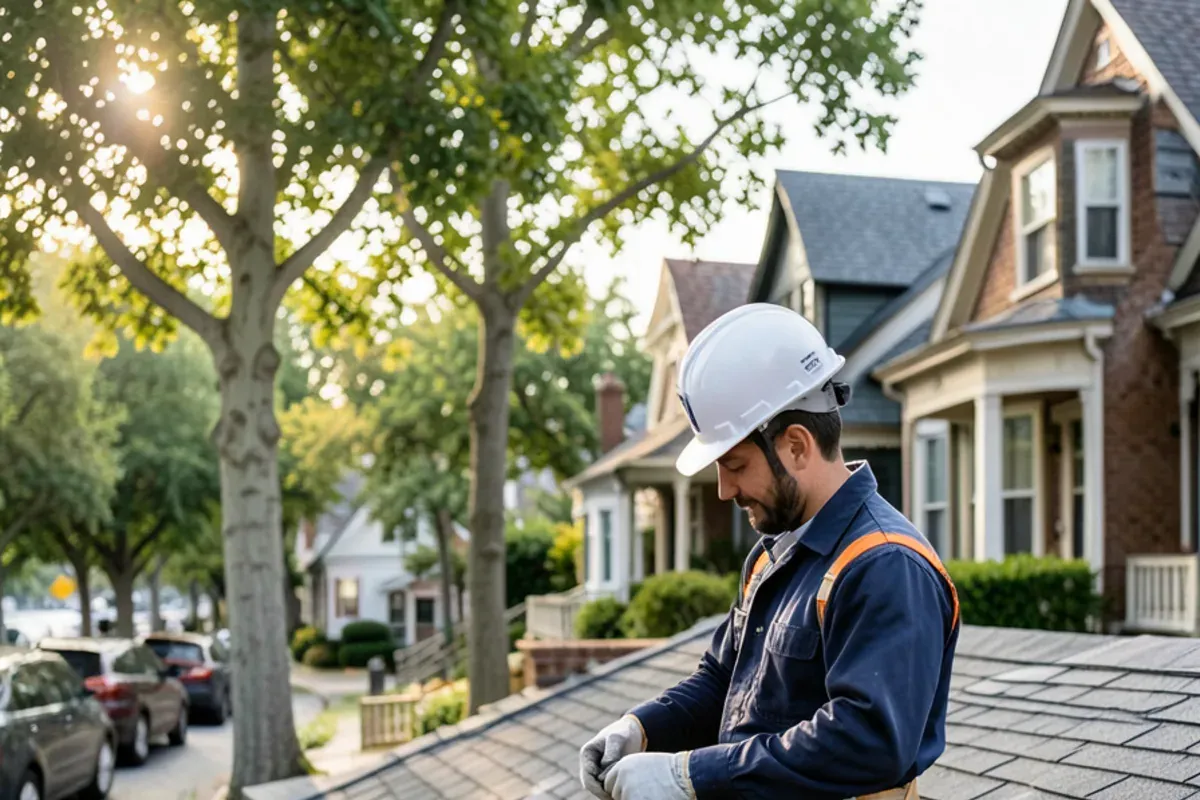
Composition shingle roofs
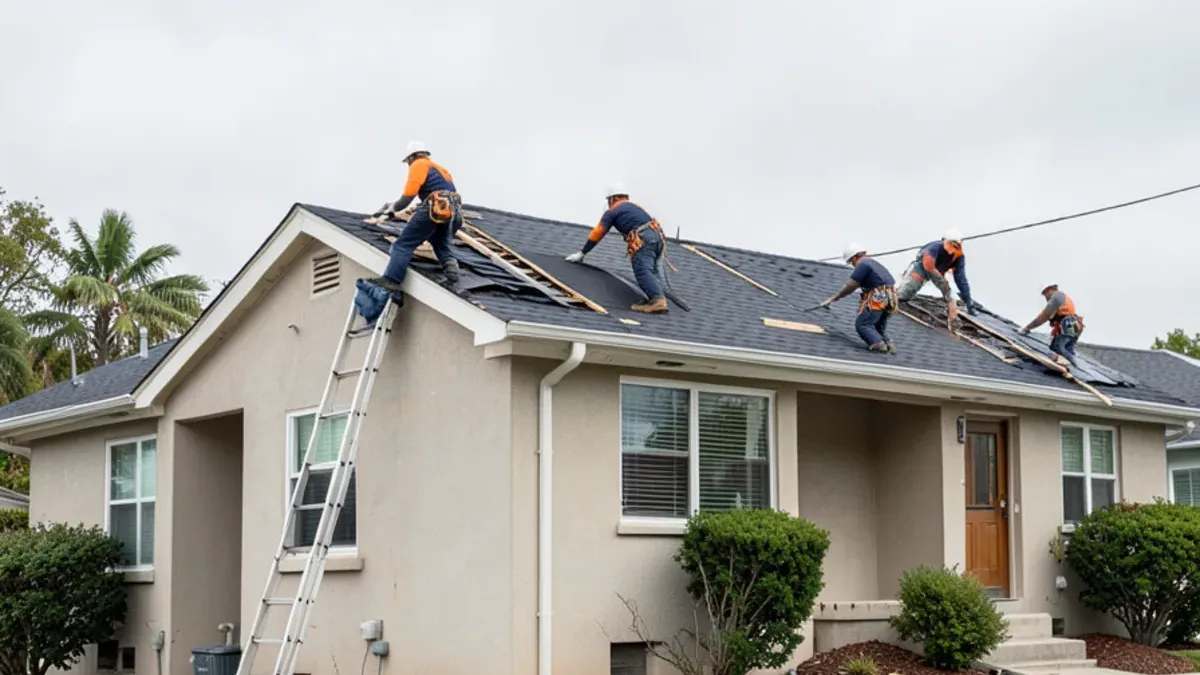
Composition shingle is the standard covering for a pitched roof and the most common reroof in town. California's two-layer shingle limit comes from its reroofing rules, which bar a new covering over a roof that already has two or more applications, so a two-layer roof needs a full tear-off. The crew then installs new underlayment, flashing and drip edge. See roof replacement in Alameda for how that job runs, or asphalt shingle roofing for the material choices.
Flat and low-slope roofs
Flat roofs sit on townhomes, additions, porches and stucco homes across the island. One Alameda townhouse job involved a worn flat roof and bulkhead, and the fix started with the drain path, not the surface. A low-slope roof sheds winter rain only when drainage and flashing are right. Built-up roofing, torch-down and single-ply membranes all fit here. Start with flat roofing in Alameda.
Metal, tile and historic roofs
Metal panels shed rain quickly, and a metal roof installation suits owners who want to leave asphalt behind. Tile and slate-look roofs lean on their underlayment, which ages out before the tile does. Wood shake roofing gives an older house its original look, but confirm its fire rating with the City first. On older houses, age, pitch and detail drive the plan, which is why historic home roofing has its own page.
Gutters, skylights and vents
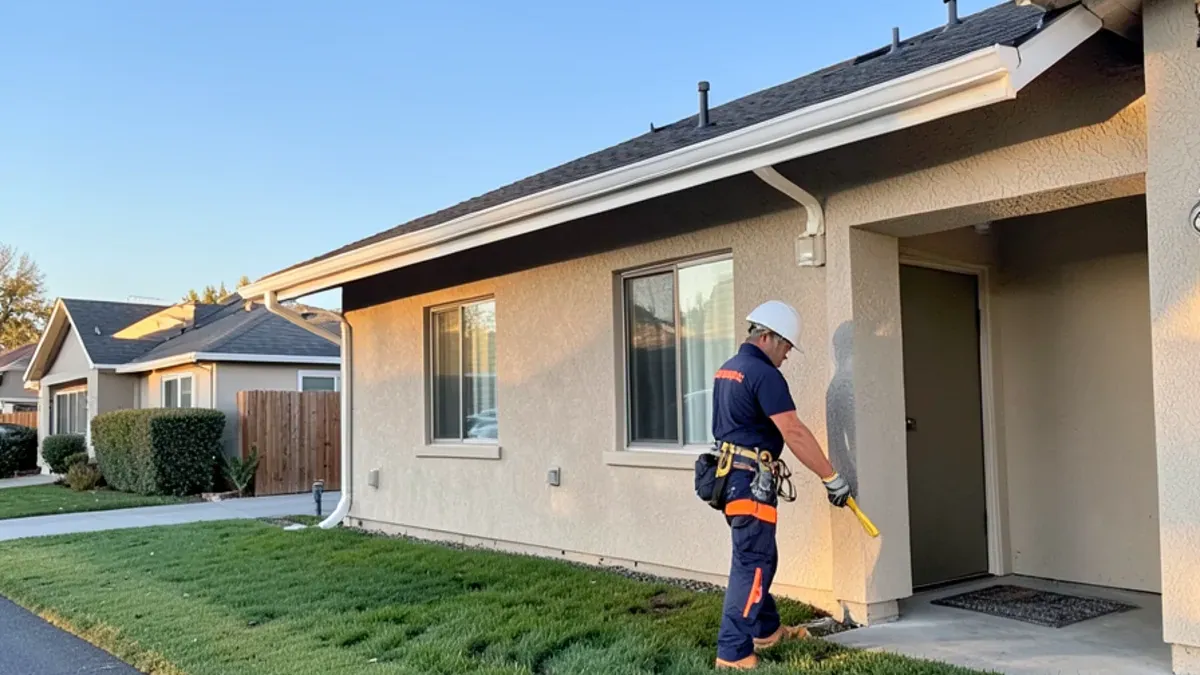
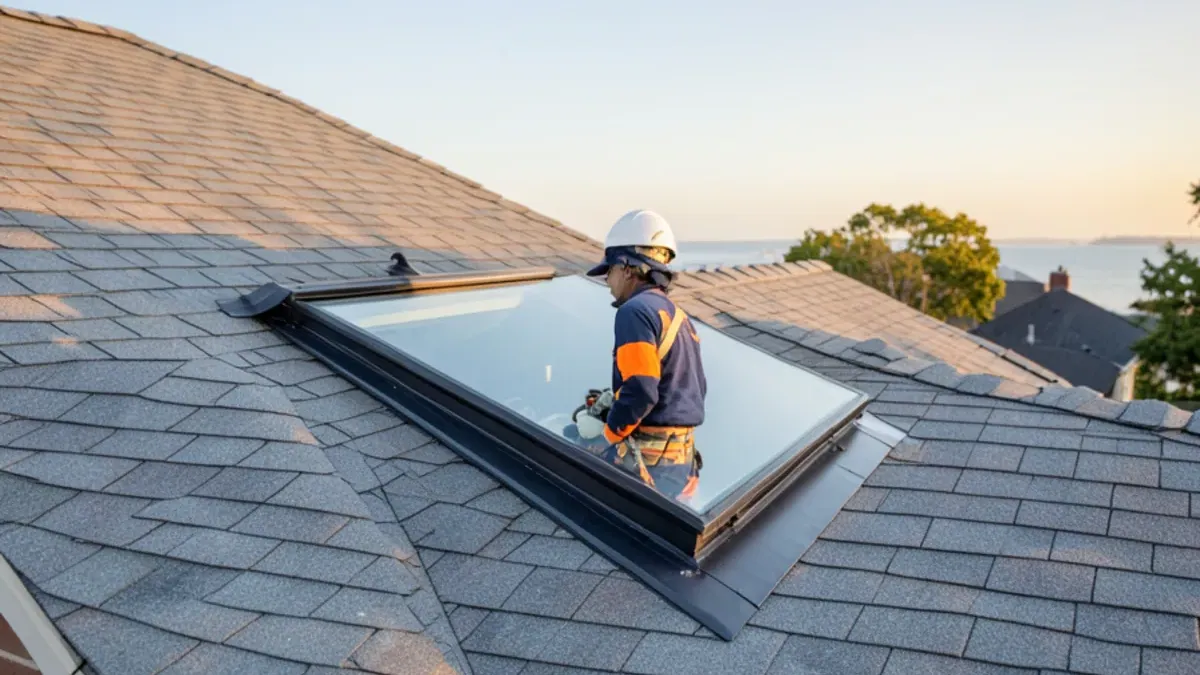
Water has to leave the roof cleanly. Gutters and downspouts move runoff away from the fascia and foundation, and a gutter and downspout replacement done with the roof lets the new drip edge tie into the finished system. Skylights and attic venting are on our Google listing because leaks and hot, damp attics often trace back to them.
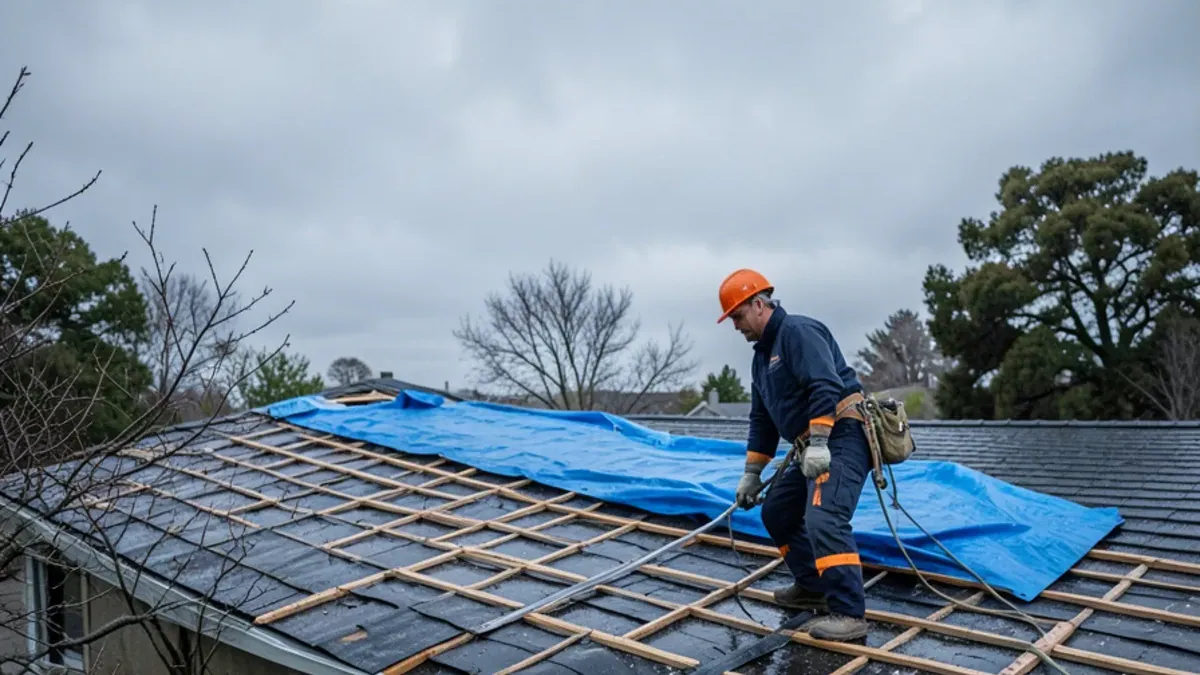
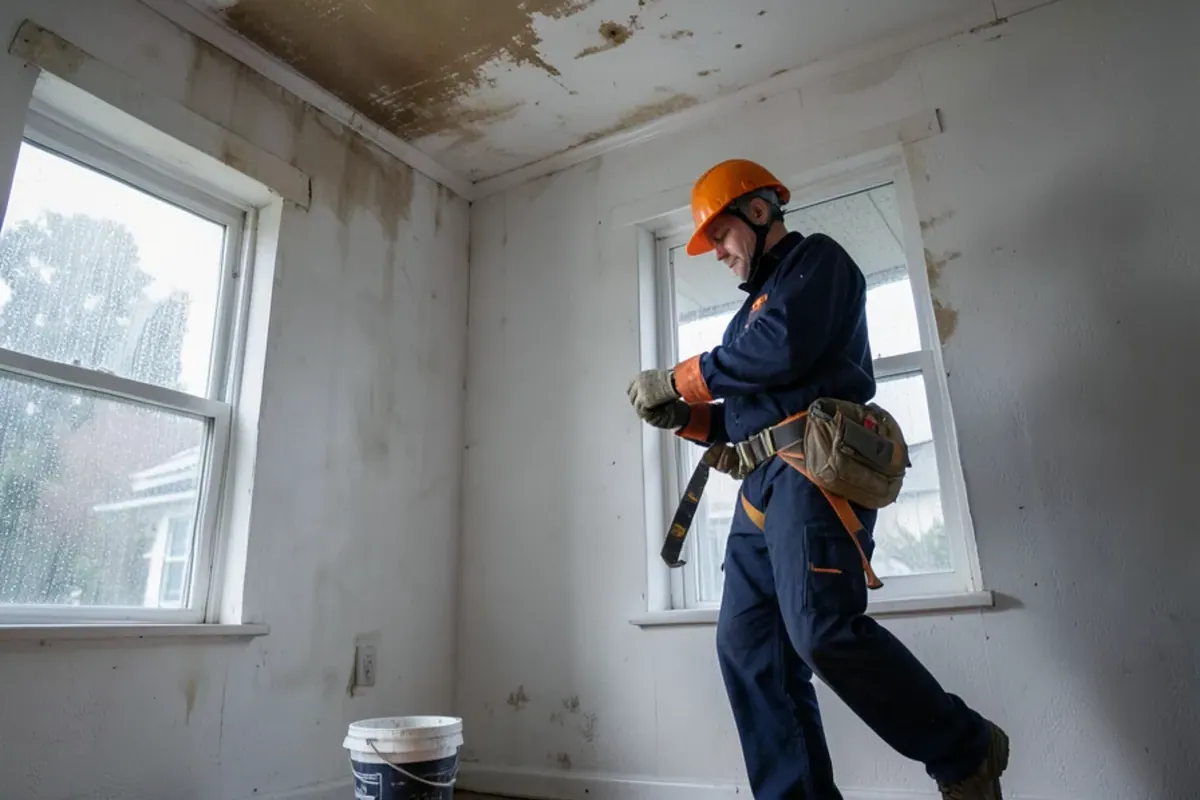
A stain spreading across the ceiling after the first October rain is a failing roof, not a cosmetic problem. Water that reaches the sheathing rots it, and rotted sheathing turns a repair into a re-sheathing bill. Call the day you see the stain. See roof leak repair for how we trace it.
If water is coming in right now:
- Move furniture out of the drip line
- Set a bucket under the drip
- Stay off the roof while it is wet
- Photograph the damage before cleanup
- Call us, then your insurer; roof insurance claims covers the paperwork
How much does roof replacement cost in Alameda?
Published figures for an Alameda full roof run from $8,500 to $35,000 and up (2026 Alameda pricing guide). They disagree because they start from different roofs, so size, layers, deck condition and access matter more than any headline number. These are third-party ranges, not our prices.
| Roof type | Published range | Best for | Wet-season note |
|---|---|---|---|
| Composition shingle, 1,282 sq ft | $6,248–$8,056 (Homeyou, 2026) | Small pitched roofs | Tear-off opens the deck, so plan for dry months |
| Composition shingle, 2,286 sq ft | $18,377–$24,864 (Build-folio, 2026, Oakland benchmark) | Larger East Bay homes | Add time if sheathing is rotted |
| Full roof, any material | $8,500–$35,000+ (2026 Alameda pricing guide) | Whole-roof tear-off and replacement | Permit time comes before the start date |
| Flat or built-up | $6,000–$18,000 (2026 Alameda pricing data) | Low-slope roofs and additions | Check drains and flashing before October |
| Metal, tile, wood shake | Varies; get a written local quote | Non-asphalt or historic looks | Ask for the install schedule |
Flat roof replacement in Alameda runs $6,000 to $18,000 in that 2026 data. A small repair sits well below all of this. One Alameda customer paid around $2k for a patch after a much higher quote elsewhere, which shows why a second opinion is worth a phone call. Your measured written estimate is the only number that counts.
What should a written roofing estimate include?
A written estimate should list seven things, so you can compare three bids line by line:
- Tear-off and disposal, with the number of layers removed
- Sheathing, priced per sheet if rotted decking turns up
- Underlayment, flashing, drip edge and ridge cap, each named by product
- Permit responsibility, stating who pulls it and whether the fee is included
- Cleanup, including daily haul-away and yard protection
- Warranty length, stated in years
- Payments, tied to completed milestones
A bid that says only "re-roof, one price" is incomplete, and the lowest number often leaves sheathing and permit costs out. California also caps a home improvement down payment at $1,000 or 10% of the contract, whichever is less (Business and Professions Code §7159.5). See how to compare roofing estimates line by line.

How do you check a roofer's license in California?
Check it on the Contractors State License Board (CSLB) lookup at cslb.ca.gov before you sign with anyone. Roofing work in California calls for a C-39 roofing contractor license, the Roofing classification, and any licensed roofing contractor in Alameda should hand over the number without being asked. Follow four steps:
- Ask the roofer for the license number in writing.
- Enter it in the CSLB lookup and confirm the classification is C-39 and the status is active.
- Check the bond and workers' compensation status on the same record. The contractor's bond is $25,000 (§7071.6).
- Match the name on the license to the name on your contract and permit.
A Better Business Bureau profile and survey programs such as Diamond Certified add an outside check.
Small jobs are not a loophole. The minor-work exemption stops at $1,000 and applies only if the job needs no permit and the person employs no one (§7048). More detail is in how to verify a roofer's license in California.
Do you need a permit for a roof in Alameda?
Usually, yes. Roofing permit requirements in Alameda start with the City of Alameda Permit Center, which says a building permit is needed for most construction work, and a third-party Alameda County guide puts the line for roof work at about 200 sq ft (PermitFlow). Applications run through the City's online system. Published fee figures conflict, so get the current number from the Permit Center. Your estimate should say who pulls the permit.
Exterior changes are a separate question. The City says work that changes the outside of a building can need Planning design review as well as a permit, though its older design review guide treats a plain reroof as exempt. Ask before changing the look of a historic home. See Alameda reroof permits for the detail.
Is a cool roof required in Alameda?
Not for a typical single-family reroof. Alameda sits in California Climate Zone 3. The Cool Roof Rating Council's summary of the 2025 Energy Code lists single-family reroof cool-roof rules for steep slopes in Zones 4 and 8 through 15, and for low slopes in Zones 4 and 6 through 15. Inland cities such as Livermore and Concord fall inside those lists. Nonresidential low-slope reroofs are covered in every zone. One Alameda customer took a lighter color anyway to keep a sunroom cooler, and cool roofs explains that choice. If you go that way, pick a CRRC-labeled cool roof product from the state's CoolCalifornia search. BayREN's permit guide summarizes the Title 24 cool roof requirements.
How long does a roof replacement take?
The roof replacement process and timeline run in three parts: permit time, a day or two on the roof for a typical home, then a final inspection. Several Alameda customers report tear-off and new roof finished in a single day. Others took a couple of days. A shingle tear-off with a new metal roof took about a week.
- Inspection and estimate. We look at the roof and send a written estimate with photos.
- Contract. Scope, warranty terms and payments go in writing.
- Permit. Where required, allow time for City processing.
- Tear-off. Old roofing comes off and the sheathing gets inspected.
- Install. Rotted sheathing is replaced, with any change explained before work continues. Underlayment, flashing, drip edge and roofing follow.
- Cleanup and walkthrough. Debris leaves the site each day, and the finished roof gets walked with you.
- Final inspection and paperwork. The City's permit inspection passes; you get the warranty paperwork.
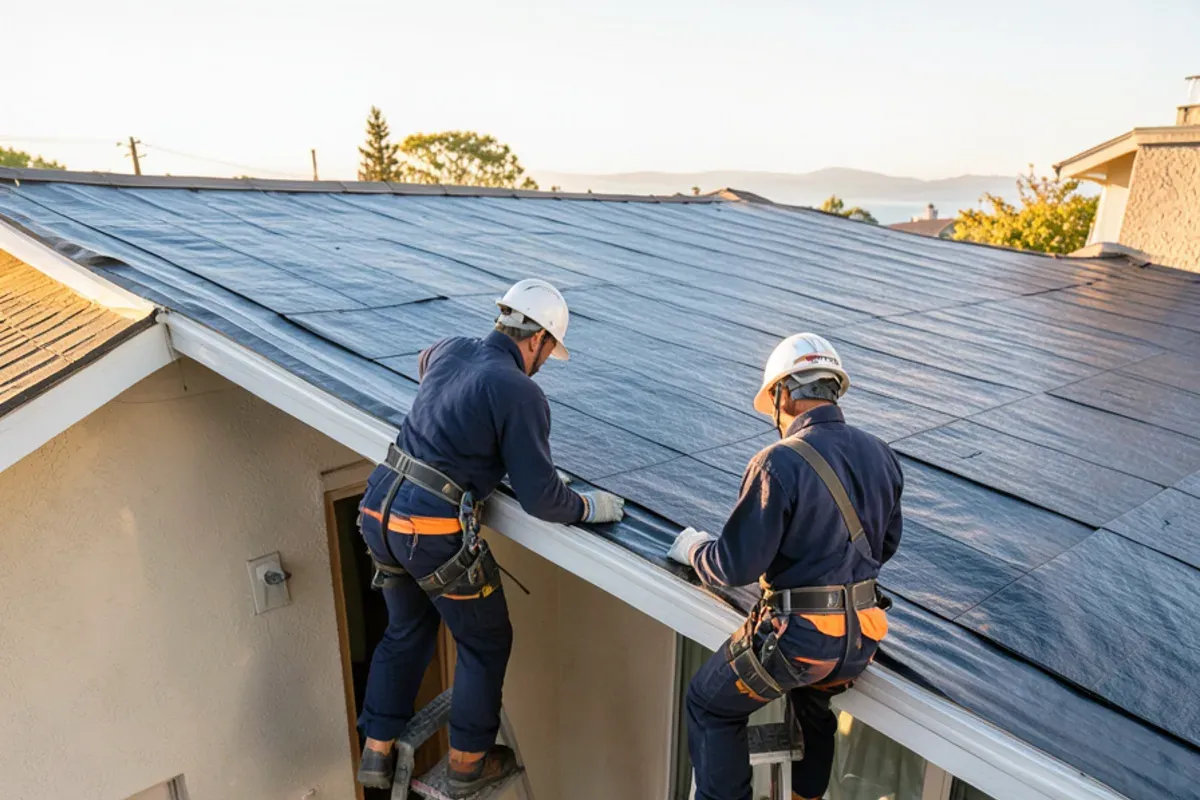
A dry-season calendar for Alameda roofs
Dry-season roof replacement keeps an open deck out of the rain.
| Months | What to do |
|---|---|
| March to May | Book the inspection and collect three written bids |
| June to September | Tear-off and replacement window; file any permit early |
| September | Clear gutters, check flashing and vents before the first rain |
| October to April | Rainy season: leaks get temporary protection, then repair in a dry spell |
What changes on a pre-1940 home?
Expect a tear-off to the deck and some re-sheathing. Victorian roof replacement in Alameda follows the same rule; see historic home roofing. On one Alameda job, the only change order came from the age of the old roof decking, and it was explained before the work moved on. Ask in writing how rotted sheathing will be priced, because re-sheathing cost after tear-off is the unknown. A per-sheet price turns it into a number, and earlier layers on old roofs can hit the two-layer limit.
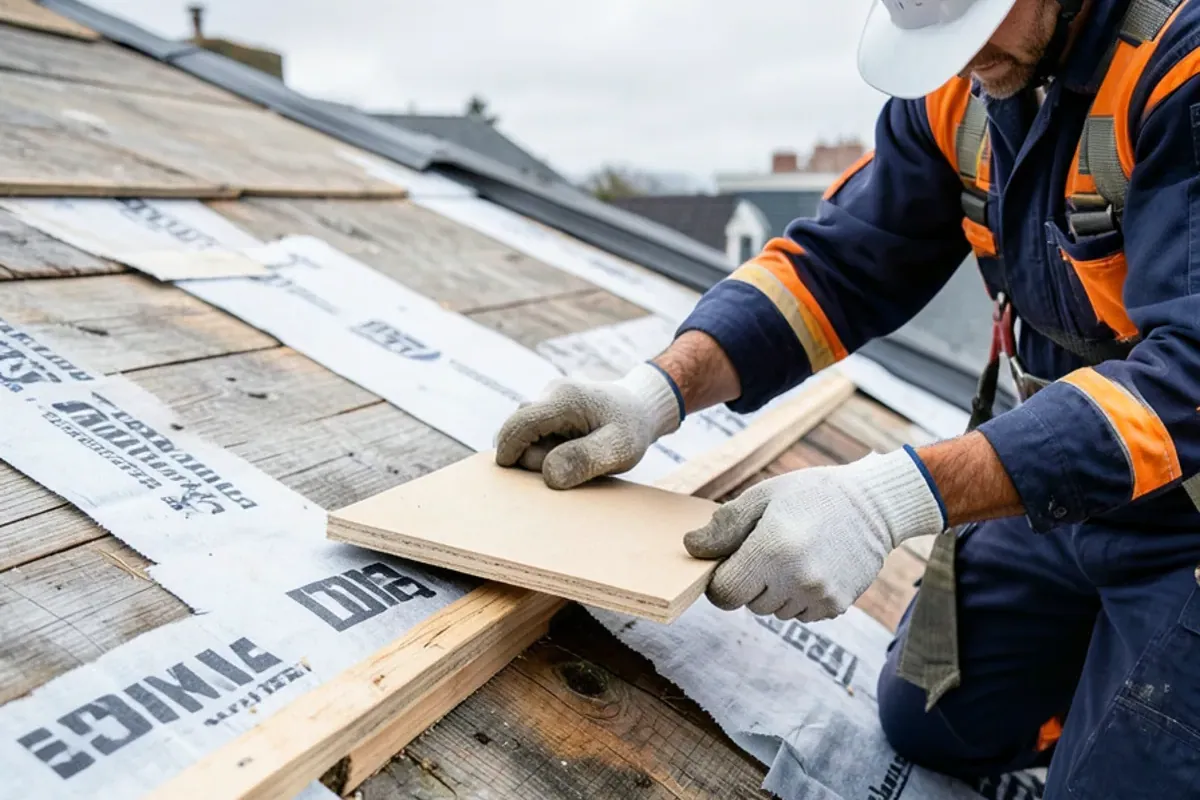
Should you repair or replace your roof in Alameda?
Repair a young roof with local damage. Replace a roof when age, layers or rotted sheathing show it is failing. With a median owner-occupied home value of $1,160,500 in Alameda (Census Reporter, ACS 2024), the roof protects a large asset, so decide on evidence.
Eight signs point toward replacement:
- A water stain that spreads after rain
- A dripping sound in the attic during a storm
- Curled or missing shingles in the yard
- Granules collecting in the gutters
- A musty smell in the attic from damp sheathing
- Daylight showing through the roof boards
- A soft, spongy spot on the deck underfoot
- Gutters overflowing and pulling away from the fascia
Soft decking or daylight through the boards means water has reached the sheathing, so replacement beats patching. To avoid an upsell, ask for dated photos of every damaged area and ask the roofer to price the repair and the replacement separately. We have told customers to wait when a roof still had life in it, and roof repair vs replacement walks through the call.