
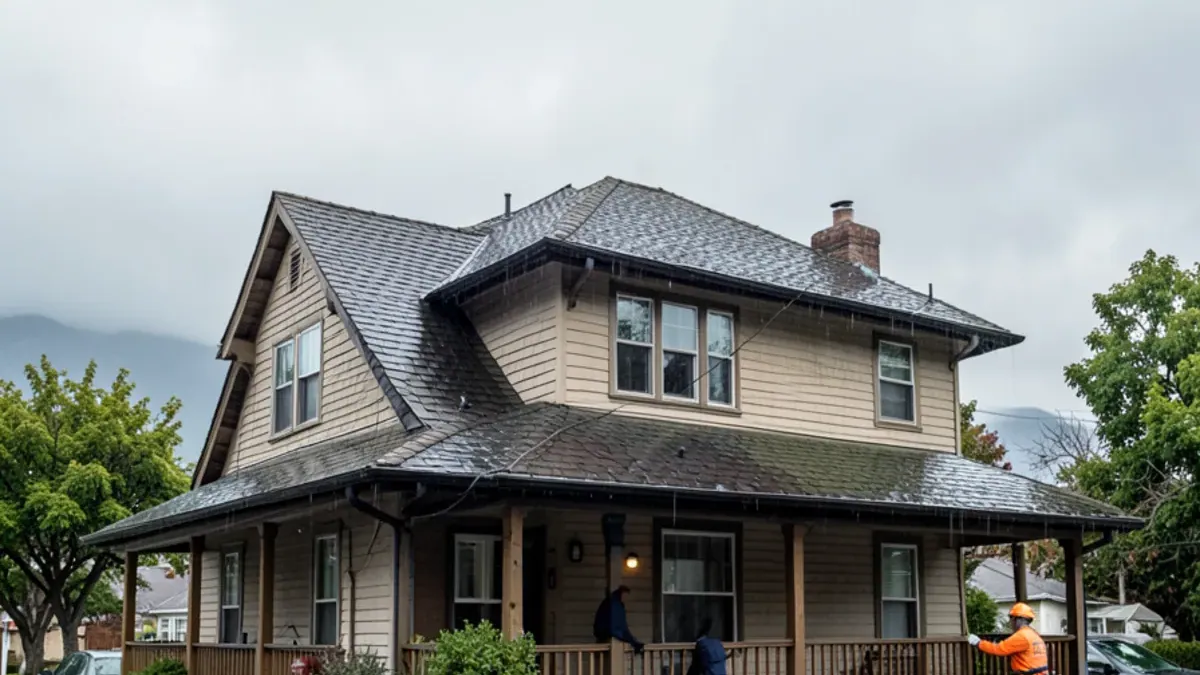
Why is the stain never under the leak?
Water enters a roof at one point and then runs. It follows the underside of the decking, drops onto a rafter, travels along the framing and appears on the ceiling several feet away. That is why a water stain on the ceiling points to the general area, not the hole.
So we start from the stain and work uphill. The entry is almost always higher on the roof than the damp spot, and often at a joint, a wall, a chimney or a penetration.
What makes Alameda roofs leak?
Alameda gets about 22 inches of rain a year, nearly all of it between October and April (BestPlaces). A long dry summer lets debris collect in valleys and behind chimneys, and the first storms find every weak point at once.
The housing stock adds the rest. About 31.9% of Alameda homes were built in 1939 or earlier (Point2Homes), and older houses tend to have additions, flat porch sections, dormers and chimneys that have been repaired several times. Each place where one roof plane meets another wall or surface needs flashing, and flashing is where most leaks start.
Missing or lifted shingles cause the simpler leaks. For those, see our page on shingle roof repair.
How does roof leak detection work in Alameda?
Detection is a sequence, from least to most invasive.
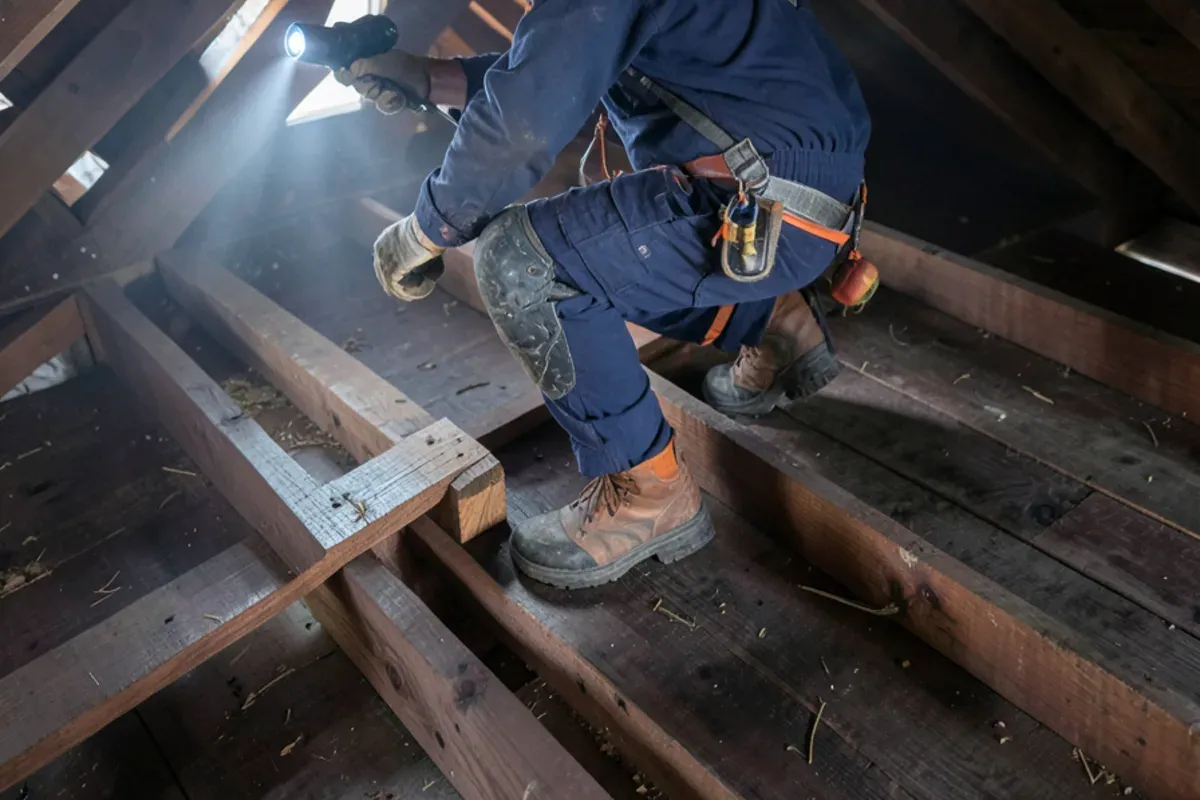
- Attic look. Dark boards, rusted nail tips and wet insulation trace the path.
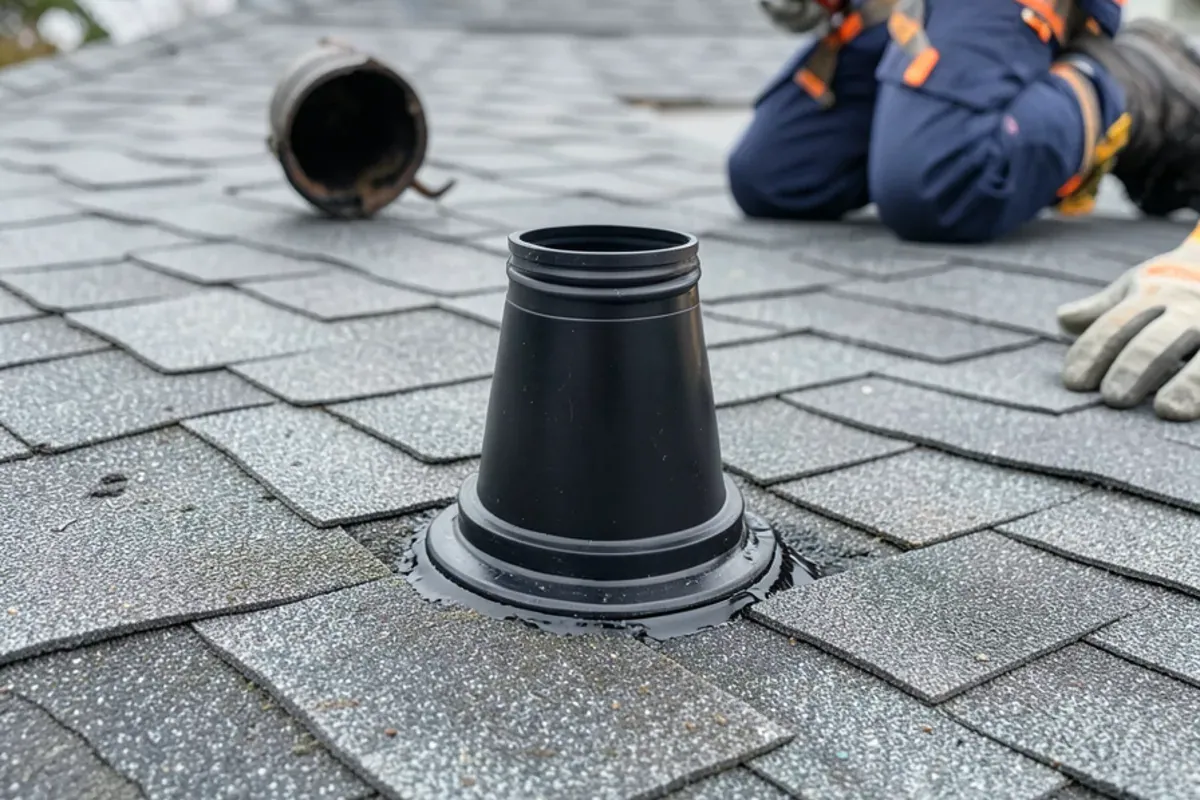
- Surface check. Flashing, vent boots, sealant and shingle laps above the stain are inspected up close.
- Moisture reading. A meter on the ceiling and decking shows how far the water spread.
- Water test. Used when the entry is unclear: a hose wets one section at a time while someone watches inside.
We do not guess and seal everything with roof cement. A broad smear of sealant hides the entry for a season and makes the next repair harder.
Why does a roof leak only in heavy rain?
A leak that appears only in a storm is a gap that needs pressure. Wind-driven rain forces water sideways under shingle laps and flashing edges that stay dry in a drizzle. A slow leak can also seep for weeks into insulation before a stain finally shows.
If your ceiling stays dry in light rain but stains after a storm, the roof is telling you the gap is small and sheltered. That is a good time to repair it, before the stain turns into soft decking.
Garage roof leaks and dormer leaks
Garage and dormer leaks need different handling because these roofs are built differently.
A garage roof is often low-slope or a second roof added to the house, so the leak is usually at the seam where the two roofs meet, or in the roofing material itself. Skylights on garages are another source. One Alameda garage skylight leak was patched the next day.
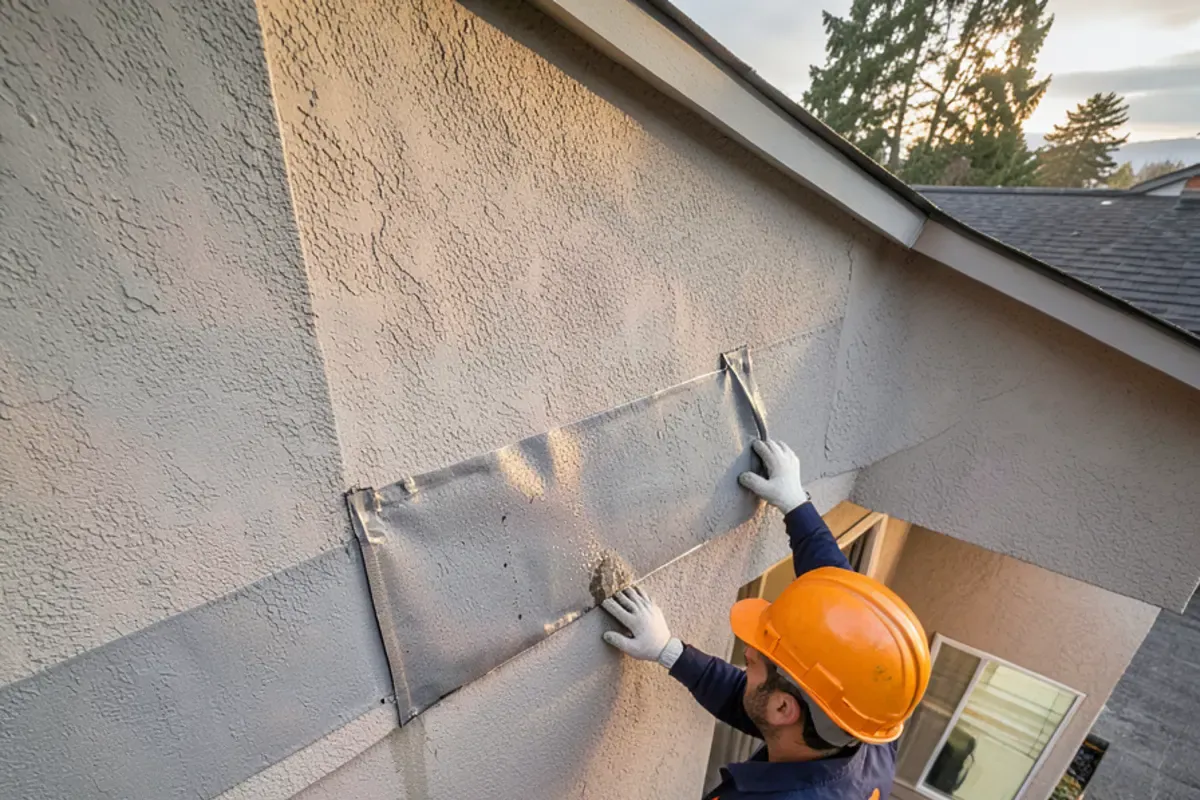
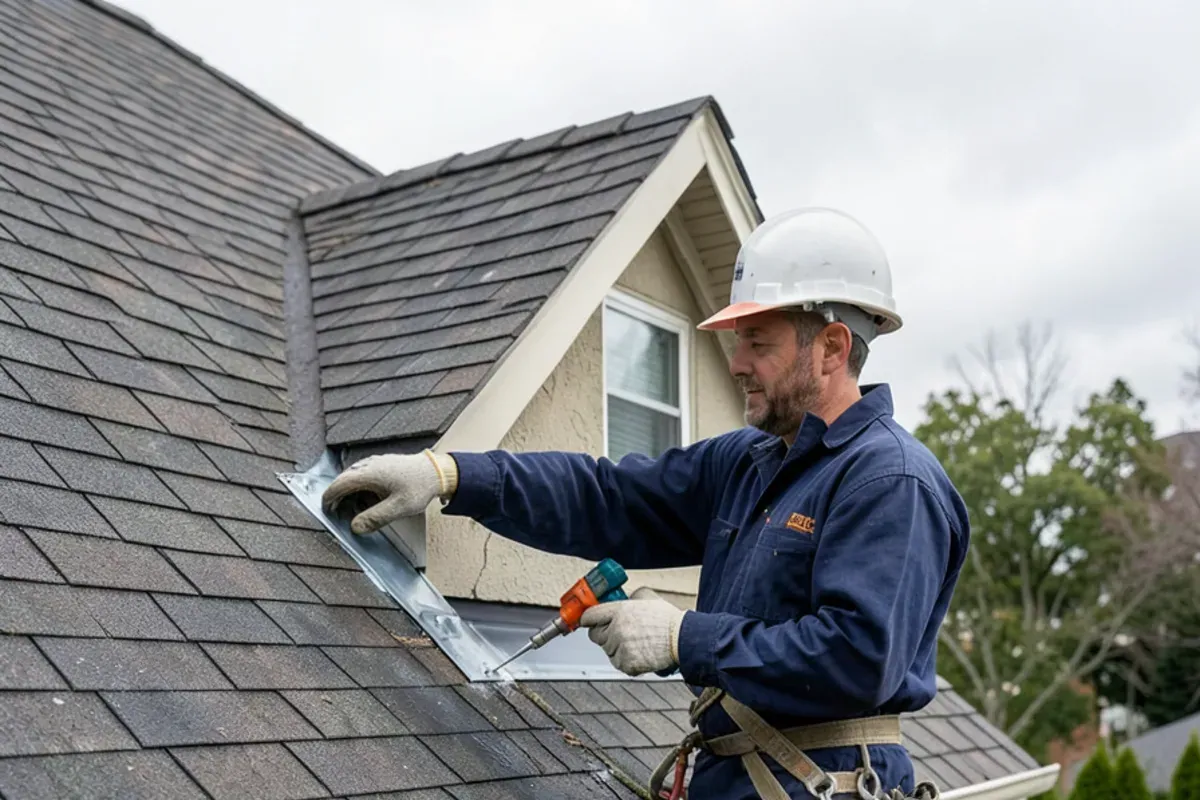
Dormers leak at the cheek walls and the base. The step flashing along the sides and the kickout at the bottom do the work, and when either is missing or sealed with caulk alone, water follows the wall into the room below. A dormer repair usually means lifting the siding trim and shingles around it to redo the flashing correctly. Siding and wall repair beyond that is outside our work, but we flag it.
How a roof leak repair visit goes
- Triage by phone. We ask where the stain is, when it appeared and whether water is dripping now.
- Temporary protection when needed. A tarp or sealant goes on the opening so the house stays dry until the permanent repair.
- Inspection. Attic first, then the roof surface, with photos of the entry point.
- Written estimate. The scope, materials and who pulls the permit are listed. Confirm the permit question before you sign.
- Repair. The failed flashing, boot, shingle or underlayment is replaced, not just sealed over.
- Check of the surroundings. We examine the decking and the nearby flashing for the same fault.
- Cleanup and photos. Debris is removed and finished photos are sent to you.
What to expect afterward
A small flashing or boot repair is often done in a few hours. Larger repairs, such as a rotted valley, can take a day or more. Soft decking is raised before the crew continues, with the change order explained, as happened on one job where aged decking turned up.
Give the ceiling time to dry. Watch it through the next rain. If a stain grows, call and tell us. Interior repair is not our work, but we document the damage for your claim.
Tile roofs leak differently, usually at the underlayment beneath the tiles, which the tile roof repair page explains.
What does it cost to fix a roof leak?
The cost depends on what failed and how hard it is to reach, not on the size of the stain. A cracked vent boot costs less than a rebuilt valley. Roof pitch, number of stories, roof age and the amount of wet decking change the price too.
We do not publish a flat price for leaks because it would mislead you. One Alameda customer reported a patch repair around $2,000 on their job, and that is one customer's figure. Your written estimate is the number that counts, and it should name the cause, the repair and the materials.
Permits, emergencies and licensing for leak repairs
A small leak repair may fall below the roughly 200 sq ft where a third-party county guide says roof permits begin (PermitFlow), and the City of Alameda Permit Center has the final word. Its permit page says an emergency repair application is due the next working business day. California's three-business-day right to cancel has an exception for emergency repairs the consumer requests (CSLB). Roofing needs a C-39 classification, so look up any contractor at cslb.ca.gov.
Leaking roof service around Alameda
We reach Oakland in roughly 12 minutes from Webster St, and Berkeley in about 18. San Leandro is about 24 minutes away and Castro Valley about 35. Bridge and tunnel traffic can change those times.
If you are outside Alameda, see the Oakland, Berkeley or San Leandro pages for coverage.