
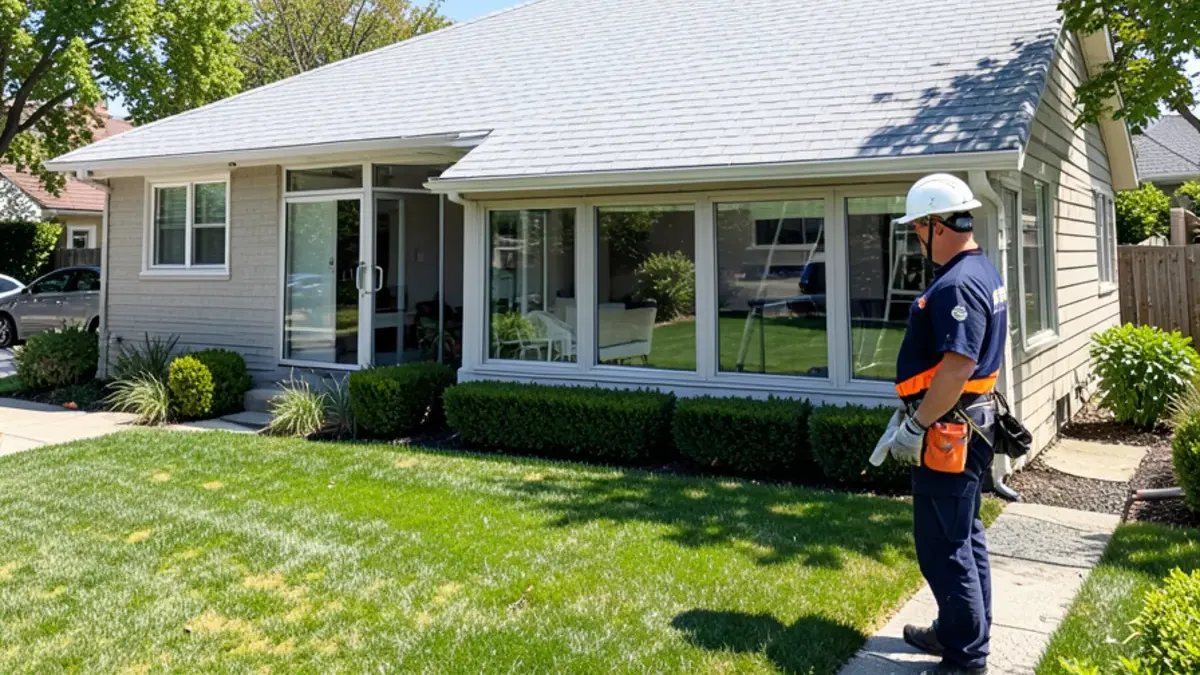
What is a cool roof, and does Alameda need one?
A cool roof is a roof surface designed to reflect sunlight and shed absorbed heat. Two numbers describe it: aged solar reflectance and thermal emittance. Higher numbers mean a cooler surface.
For Alameda owners, the headline is that Title 24 does not require one on most single-family reroofs. California Climate Zone 3 covers Alameda, and the Cool Roof Rating Council's summary of the 2025 Energy Code lists mandates for steep-slope roofs only in Zones 4 and 8 through 15. Low-slope residential roofs are covered only in Zones 4 and 6 through 15.
What a cool roof project includes
A cool roof job is a normal reroof with a few extra deliverables written into the estimate:
- The climate zone for your address, confirmed before the product is chosen
- A named product with its CRRC rating on the page
- Tear-off, decking repair, underlayment, flashing and drip edge
- An attic ventilation check at the eaves and ridge
- The rating label and product paperwork handed over at the walkthrough
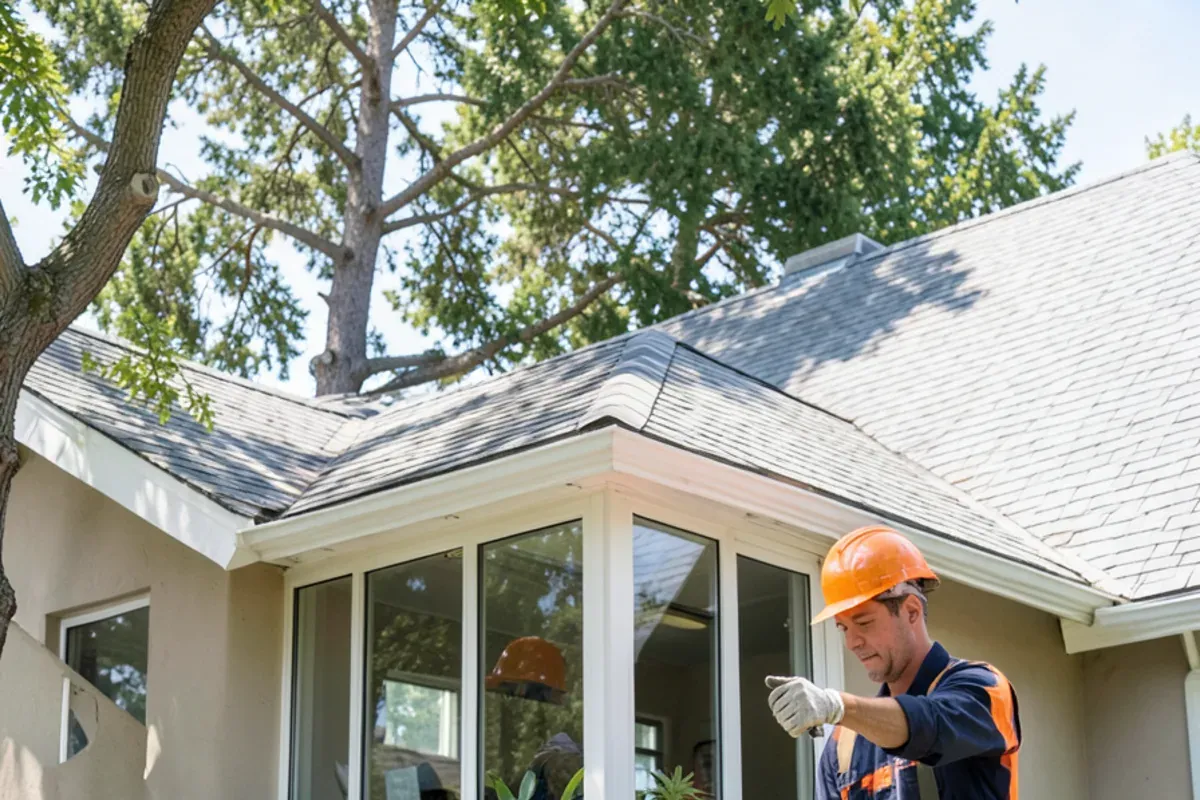
Cool roof Title 24: the numbers and who they apply to
For a single-family reroof that replaces more than 50% of the roof, the 2025 Energy Code (effective January 1, 2026) sets these targets, per the CRRC:
| Roof type | Minimum aged reflectance | Minimum emittance | Climate zones |
|---|---|---|---|
| Steep slope (2:12 or more) | 0.20 | 0.75 | 4 and 8 to 15 |
| Low slope | 0.63 | 0.75 | 4 and 6 to 15 |
Alameda is in Zone 3, so it is outside both lists. Treat a cool roof here as a choice you make, not a rule you have to meet. Exceptions exist, and the local building department has the final word. Confirm your project with the City of Alameda Permit Center.
If you move or own property inland, check the zone. Livermore and Concord can sit in Zone 12, and San Jose and Palo Alto in Zone 4. Use the California Energy Commission's lookup instead of guessing.
Permits and licensing for a cool roof
Check with the City of Alameda Permit Center before ordering, and read the estimate line that names who pulls the permit. Compliance products must be CRRC-rated, so ask for the rating in writing. California requires a C-39 Roofing classification from the Contractors State License Board, and any bidder's license number can be checked at cslb.ca.gov.
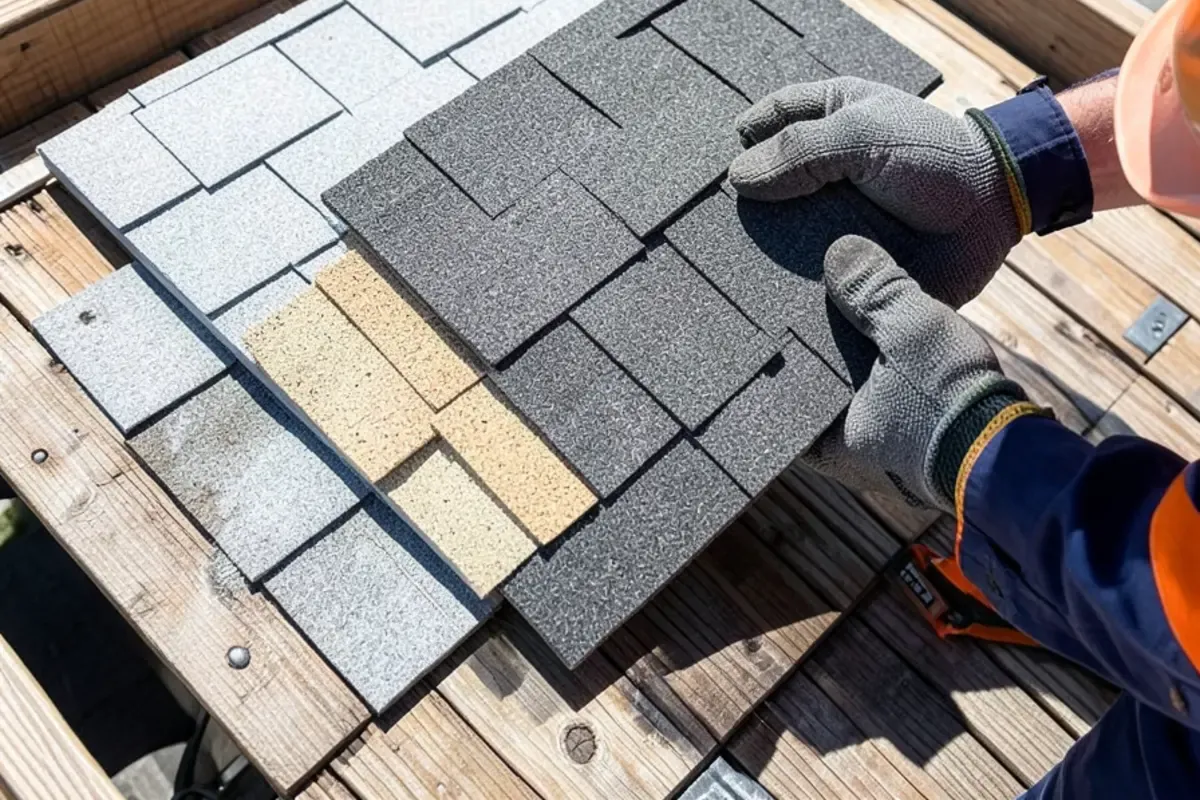
Reflective roof shingles and other options
Reflective roofing falls into three groups.
- Cool-rated shingles. Granules are chosen to reflect more infrared light. These are the closest swap for a standard composition roof, and they come in light and mid-tone colors.
- Coated metal panels. Factory finishes in light colors reflect strongly. See metal roofing for the panel choices.
- Light-colored tile or membrane. Tile and low-slope membrane come in white and tan options.
Look for the CRRC rating label on the product, which shows measured aged reflectance and emittance. Products used to show code compliance must be CRRC-rated.
Does a lighter color help on the island?
A little, and mostly in the right place. A light roof matters most over a sunroom, an upstairs room under a low-slope section or a room with no insulation. Over a well-insulated, well-ventilated attic on a mild marine day, the change is small. One Alameda customer was advised to pick a lighter shingle to keep a sunroom cooler, which fits that logic.
Color is also a design choice. Some Alameda homes are historic, and work that changes the exterior look of a building may need Planning design review as well as a permit. Ask before you switch a dark roof to a very light one.
Signs a cool roof is worth pricing
Upstairs rooms that run hot while the downstairs stays comfortable, a sunroom that heats on sunny afternoons, and an attic that feels like an oven in summer are the usual triggers. Check the attic with a thermometer on a hot afternoon before blaming color, since blocked vents are often the cause.
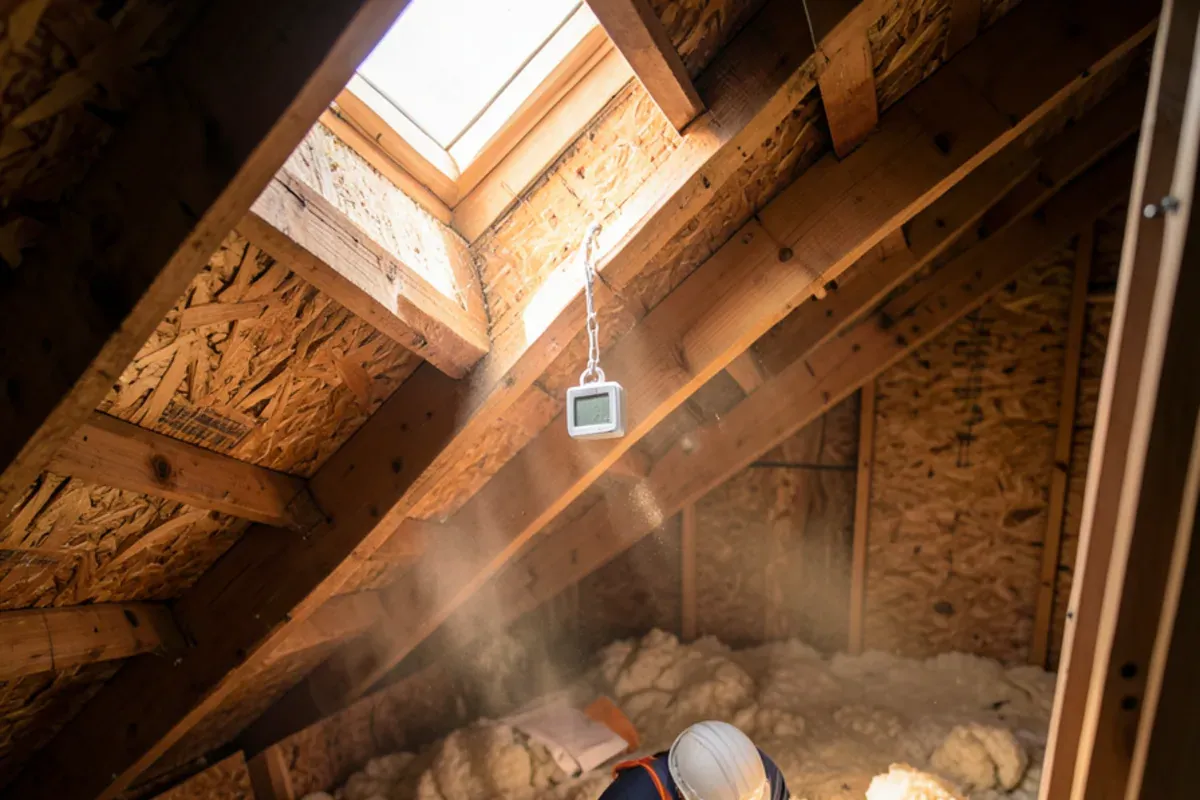
How to lower attic temperature with a new roof
Ventilation, insulation and air sealing do more for attic heat than color does. When we replace a roof we look at the whole attic stack.
- Check intake. Eave vents must be open, not painted over or covered with insulation.
- Check exhaust. Ridge vents or roof vents should match the intake area.
- Replace failed vents. Alameda customers report vents replaced as part of a reroof.
- Install under a lighter surface. Pair cool-rated shingles with the vent upgrade for the best combined effect.
- Talk to an insulation contractor. Insulation depth is a separate trade, and the best time to ask is while the roof is open.
How a cool roof project proceeds
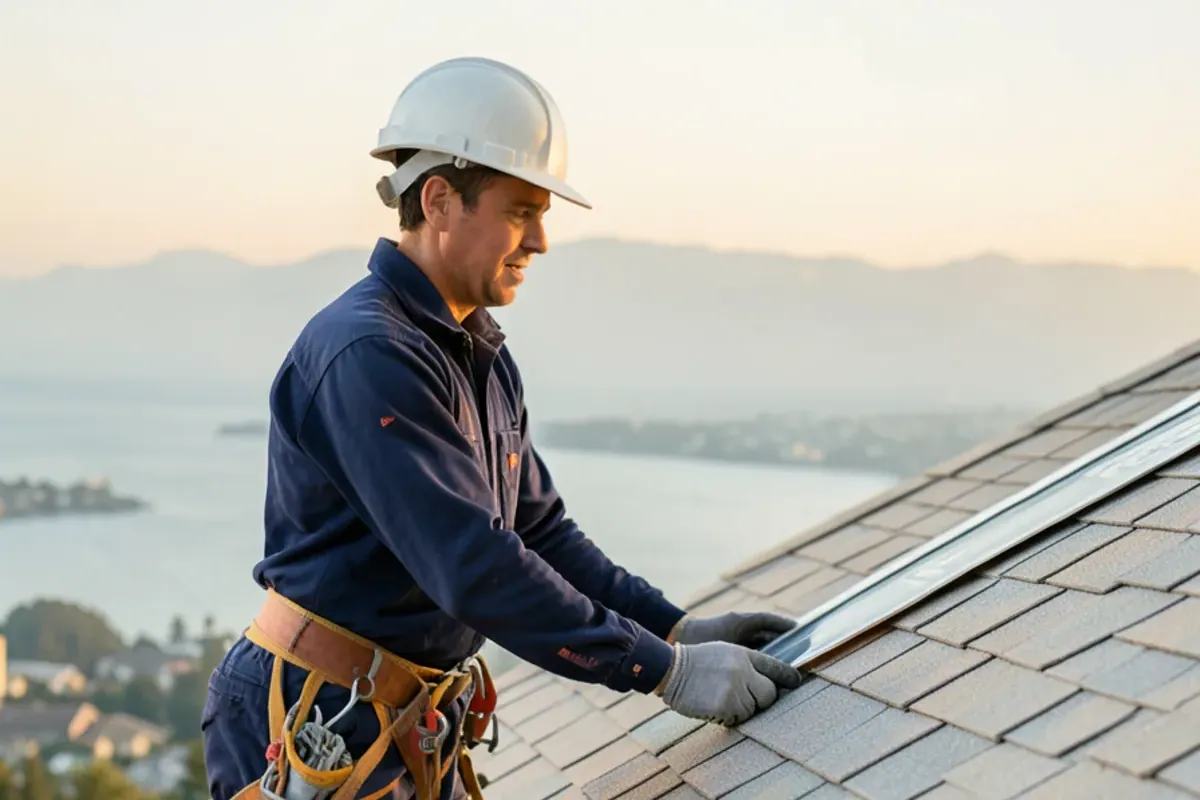
The steps match a standard new roof installation with a few extra checks. We confirm the climate zone, pick a CRRC-rated product, confirm the permit line in the estimate and then do the tear-off, decking repair, dry-in and roofing. The walkthrough finishes with paperwork, including the rating label, which you should keep.
What does a cool roof cost?
Rated products and standard ones are priced differently by line and color, and metal and tile vary widely. Rather than quote a figure, we price your specific roof. The factors are roof size, pitch, product line, decking condition and ventilation work. Your written estimate is the number that counts, so ask for the CRRC-rated product to be named on the page.
Where we install cool roofs
From our Webster St office, Oakland is about 12 minutes, Berkeley about 18, San Leandro about 24 and Hayward about 31. These are estimates, and bridge routes can run long at commute hours. If you are adding panels, read solar-ready roofing before you choose a color.