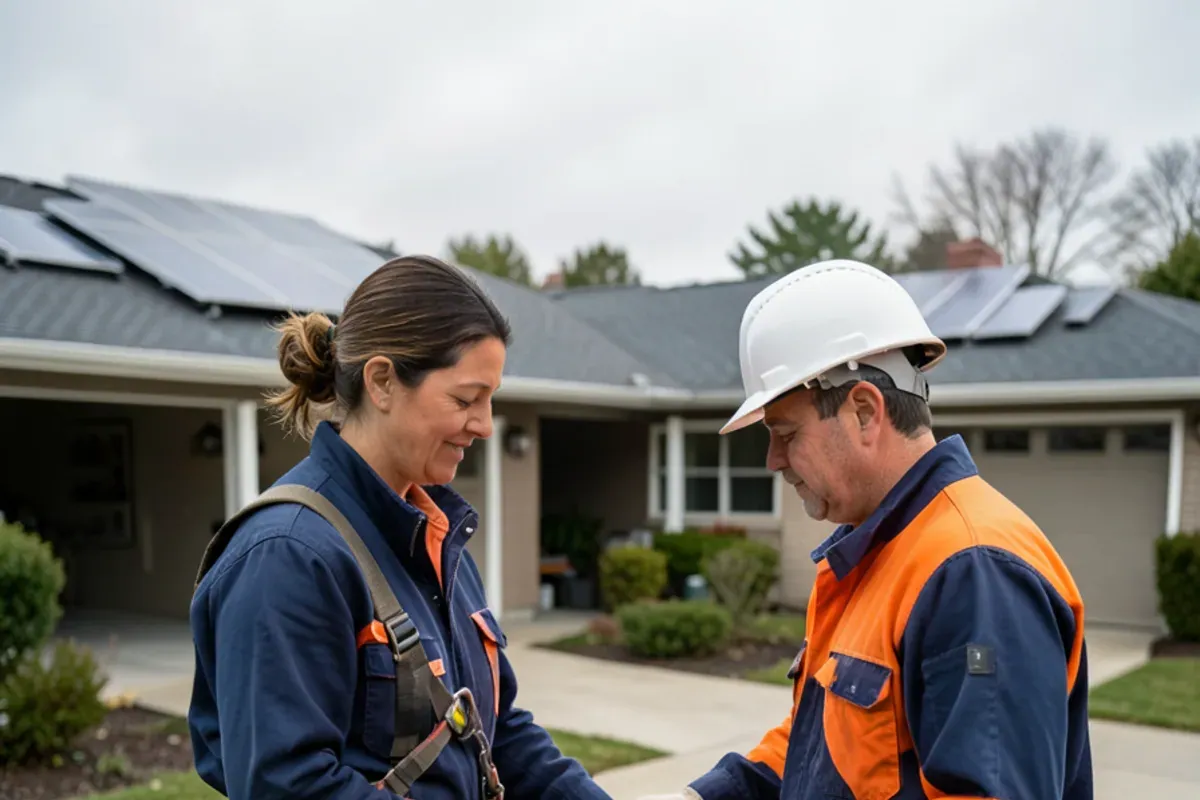
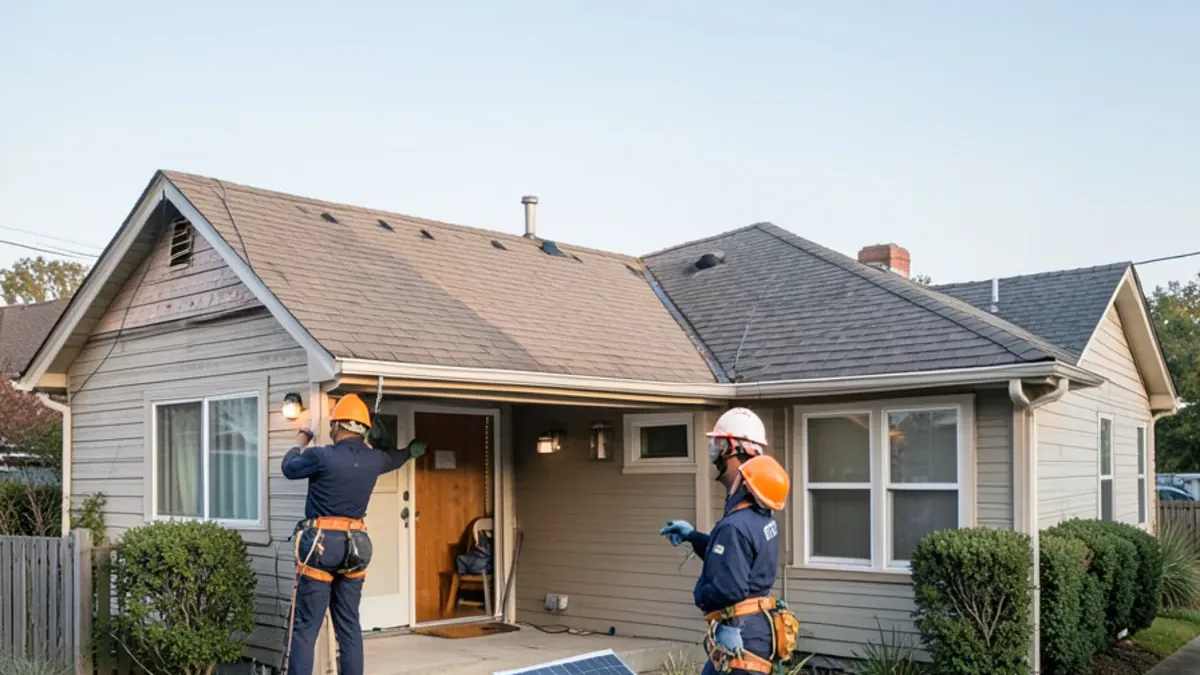
Roof replacement before solar: should you reroof first?
Reroof first when the roof is within about ten years of the end of its life or has known leaks, soft decking or failed flashing. A solar array is a 25-year commitment, and the roof under it should outlast it. Reroofing later means paying to remove, store and reset every panel, and that charge is avoidable.
If your roof is sound and young, solar can go on first. What you should not do is guess. Ask for an inspection and a written statement of remaining life before you sign a solar contract.
Records to gather before you decide
Three records save time and money. Put them in a folder before either company visits.
- Roof age and layers. The install date, number of layers and any permit from the last reroof.
- Leak and repair history. Dated photos, repair invoices and any stained ceilings you have documented.
- Insurer correspondence. Some insurers ask about roof age at renewal, and a new roof helps that record.
Alameda's older housing stock makes the first one matter. Point2Homes reports that 31.9% of Alameda homes were built in 1939 or earlier, and a house that old may have decking that has never been replaced. One Alameda customer received a change order for aged decking found at tear-off, explained before work continued. That is the kind of surprise you want to meet before panels are on the roof.
What reroof before solar includes, and what it does not
We scope the roof. Your solar company scopes the panels. The deliverables on our side:
- Inspection and written estimate
- Tear-off, decking repair and new underlayment
- New flashing, drip edge and vent flashings
- Roofing installed, with penetrations planned for mounts if you know the layout
- Final walkthrough and photos
What your solar company handles: detaching and storing panels, disconnecting the electrical, resetting and testing them and any related permits. Your solar company handles the panels.
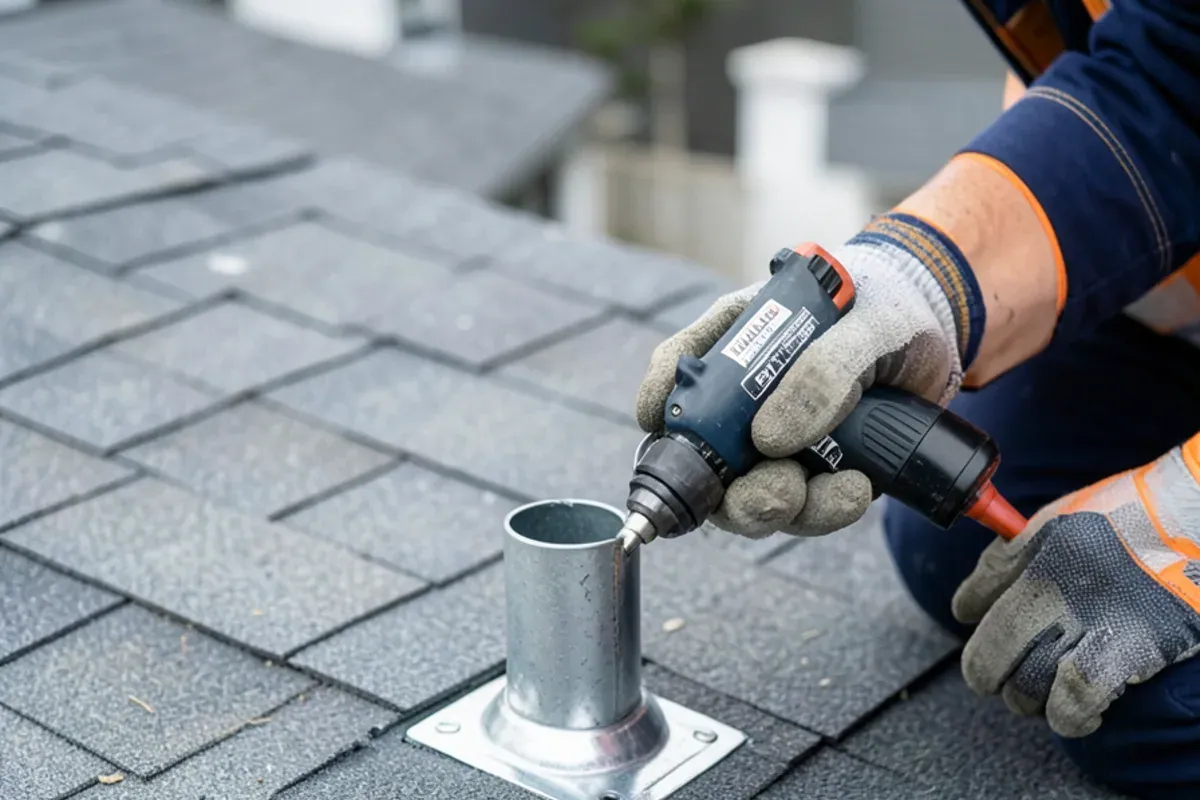
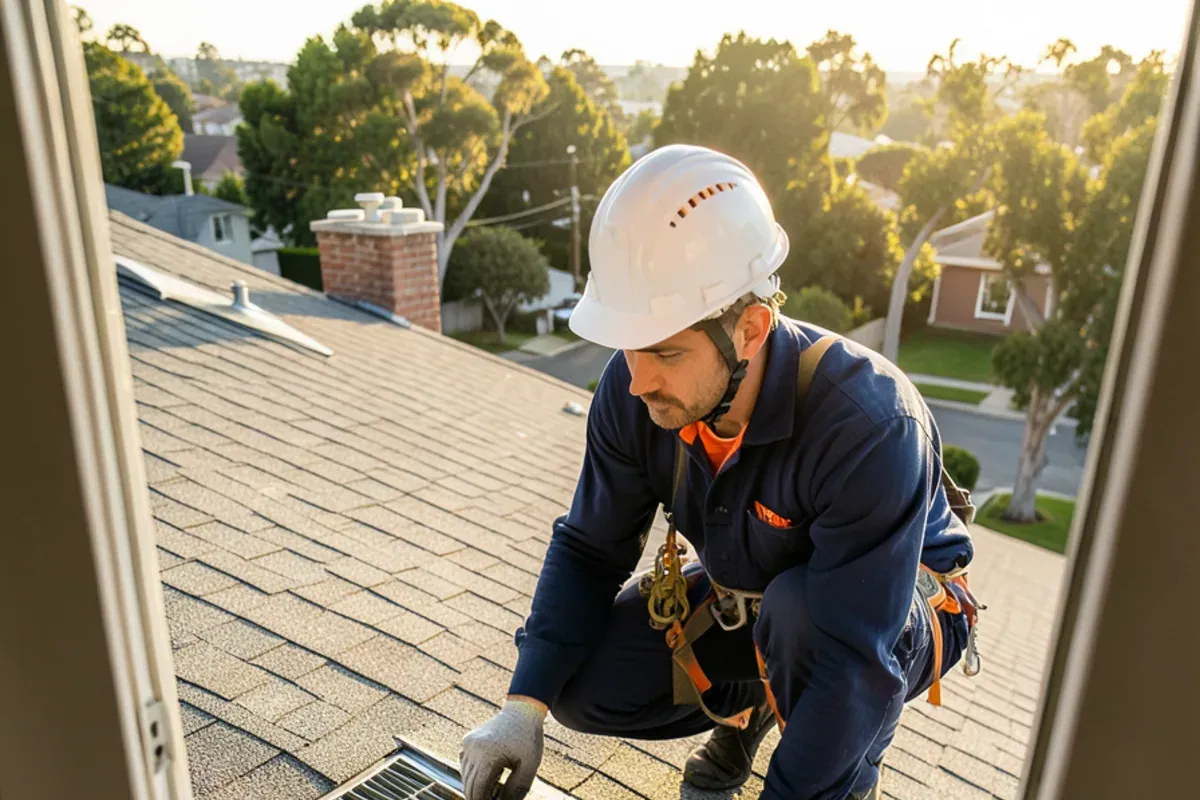
Reroofing around an existing array
If panels are already up, the order of work is fixed.
- Inspect first. We look at the roof around and, where we can, under the array.
- Solar detach. Your solar company removes the panels and racking and covers or stores the equipment.
- Tear-off and reroof. The roof is replaced as a normal job. See our new roof installation process for the sequence.
- Mount flashing. Roofing is flashed to receive racking, with the responsibility agreed in writing.
- Solar reset. Your solar company reinstalls, tests and closes out the electrical inspection.
Each handoff is a day or two on the calendar. Book them together.
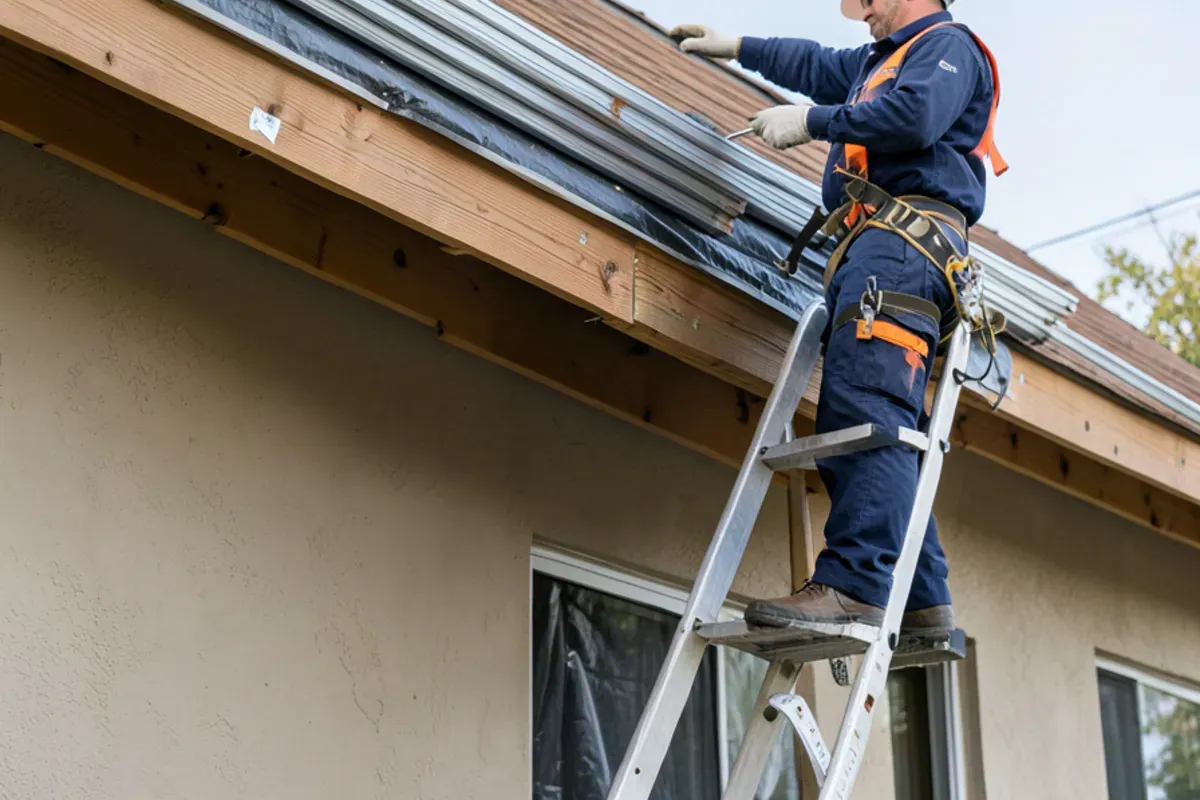
Scheduling the work
Ask both companies for dates before you sign either contract. The roof needs dry weather, so winter storms can push the reroof; the panels sit idle while they wait. Alameda gets about 22 inches of rain a year, almost all October through April, according to BestPlaces, so a spring or early summer window is easiest. Several Alameda reroofs were reported finished in one day, but plan a buffer for weather and electrical sign-offs.
Which roof is best for solar?
Pick the roof you want for the next 25 years, then ask your solar company how they mount it. Asphalt shingle roofing is the easiest to mount on and flash. Standing seam metal accepts clamps without drilling. Tile needs specialized mounts. A roof with many small planes, such as a bungalow with several dormers, gives panels fewer clean areas, regardless of material.
Costs and payment to expect
We do not quote a figure here, because a reroof with panels depends on the roof and the array. Expect the roof price and the solar detach-and-reset price to come from two separate contracts. Ask your solar company for its reset fee in writing and compare the total. Your written estimate is the number that counts, and it should state who pulls the permit and who flashes the mounts.
Permits, utility terms and licensing
Panels and roofing are permitted separately, so confirm in writing who pulls each one; the City of Alameda Permit Center can tell you what applies to your address. Solar rebate terms change, and the utility is Alameda Municipal Power, so ask AMP directly instead of relying on a brochure. Check both companies at cslb.ca.gov, since a roofer and a solar contractor hold different license classes.
Serving solar homeowners across the East Bay
From our Webster St office, Oakland is about 12 minutes, Berkeley about 18, San Leandro about 24 and Castro Valley about 35. All times are estimates, and the bridge and tunnel routes slow down at rush hour.