

How do homeowners usually pay for a new roof?
Most California homeowners pay through one of four routes: an insurance claim for covered damage, savings, a home equity loan or line of credit, or a local repair program for low-income owner-occupants. The right one depends on why the roof is failing. A tree through the ridge is an insurance question. A 25-year-old roof at the end of its life is mostly a savings or borrowing question.
This post covers what each route involves and what to check in the contract before any money moves. No price is set here, and the figure on your signed estimate is the one you will actually pay.
When does insurance pay for a roof?
Insurance responds to sudden damage, not age. Wear and tear is usually excluded from a standard homeowners policy, while storm, wind and falling-tree damage are usually covered. Your own policy language is the final word, so read the declarations and exclusions, and ask your insurer to confirm in writing.
Three rules help:
- Document first. Photos of the damage, dates and any temporary protection you installed.
- In California only the policyholder, the insurer or a licensed public adjuster negotiates a claim. A roofer cannot.
- Never let an invoice be inflated to absorb a deductible. That is insurance fraud under California Penal Code section 550.
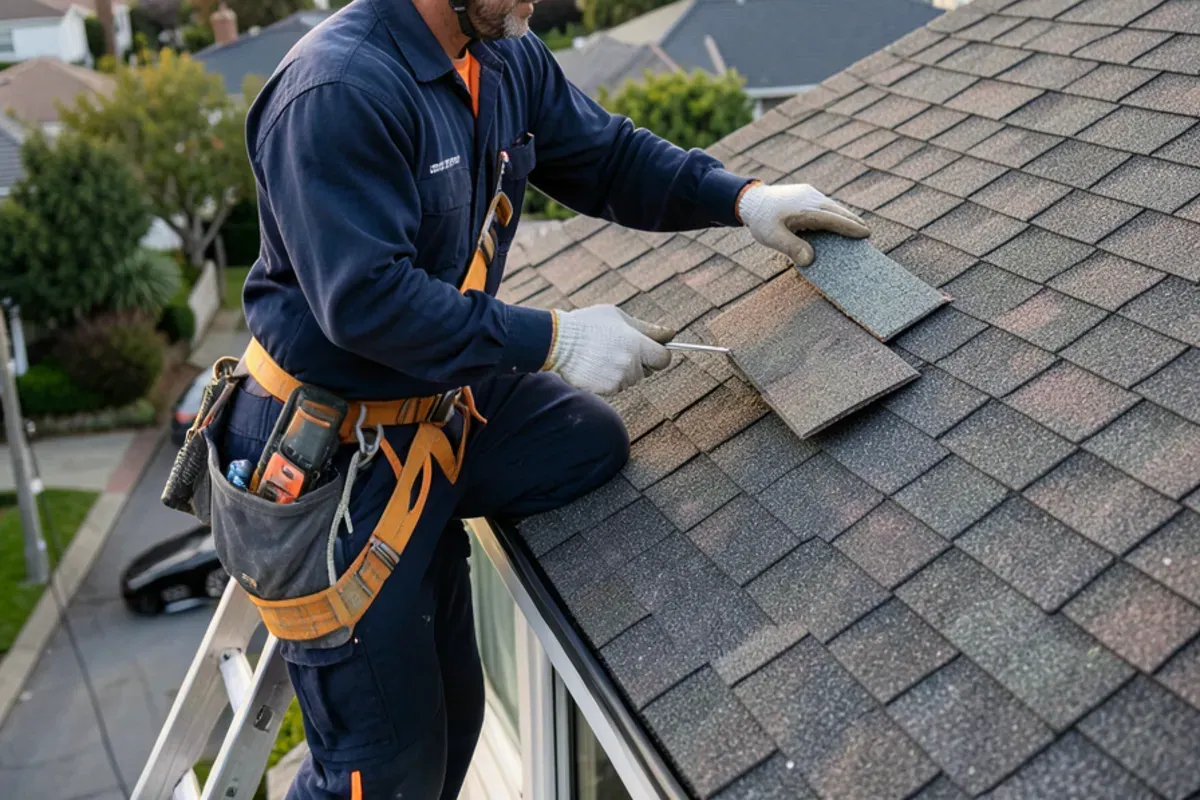
A roofer can write a scope of work, photograph the damage and meet the adjuster on site to walk the roof. On Alameda jobs, customers have reported help documenting damage, meeting adjusters, sending emails and detailed photos, and patience while final payment processed. That covers wind damage, and one claim for tree damage to a roof, gutters and siding. If a claim is denied or delayed without reason, the California Department of Insurance takes consumer complaints and questions through its help line and online forms.
Insurance also shapes timing in another way. One customer had a policy cancelled over an aging roof without any inspection, and reroofed. Another reroofed partly to lower the homeowners premium. Ask your insurer what roof age or condition affects your coverage before you decide.
Can savings or home equity cover the cost?
Savings are the simplest route and give you the most leverage in negotiating a payment schedule. A home equity loan or line of credit uses your house as security. The Consumer Financial Protection Bureau explains that a loan like this on your primary home carries a three-business-day right to cancel, and the clock starts only after the lender completes required disclosures. Cancellation must be in writing.
Compare the interest rate, fees and whether the loan puts a lien on the home. Keep the loan and the roofing contract separate in your mind: signing one does not mean you can walk away from the other.
Is there help for low-income owner-occupants?
There is no free-roof program open to everyone. Local programs exist for owner-occupants who meet income limits. The City of Alameda lists Renew Alameda County for low-income homeowners, run with a nonprofit partner, and a separate rental rehabilitation program for properties of up to 10 units serving low-income households. The federal USDA repair program serves eligible rural areas only.
Funding and income limits change, and some programs have waiting lists, so call the program first. If you live elsewhere in the Bay Area, your own city or county housing office is the place to ask.
Is there a federal loan for roof work?
Yes, one exists, and it is worth asking a lender about. The FHA Title I property improvement loan insures a loan from an approved lender for repairs that protect or improve a home's livability, and a roof qualifies. The FDIC's copy of HUD guidance puts the cap for a single-family home at $25,000, with loans under $7,500 possibly unsecured. That limit dates from 1992 and has not kept pace with prices, so it may not cover a full tear-off on a larger house. Confirm current terms with an FHA-approved lender before you plan around it.
The loan is a contract with the lender, separate from the roofing contract. Keep the two apart, compare the lender's total cost of borrowing, and never sign a loan form that leaves the amount or the roofing scope blank.
What should the contract say about payment?
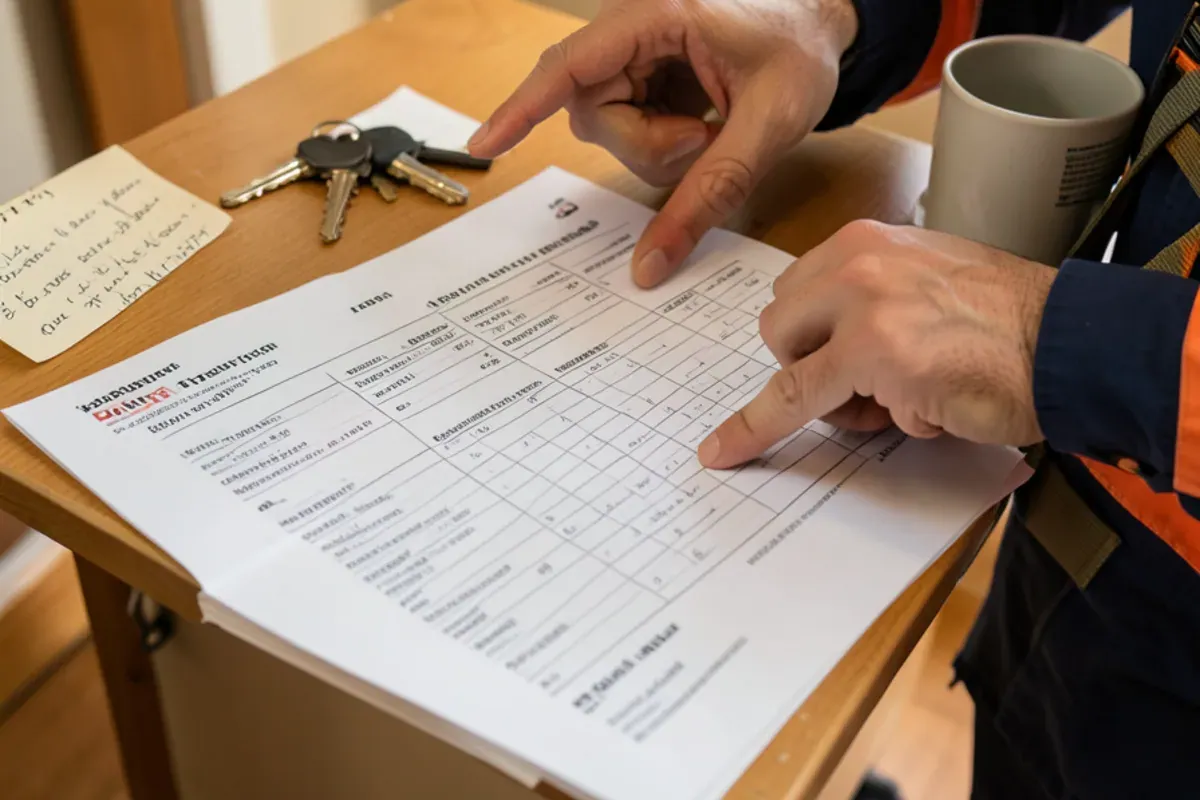
Read the payment terms before you read anything else. CSLB's contract guidance says a down payment should never exceed 10 percent of the contract price or $1,000, whichever is less, with a narrow exception for contractors holding a blanket performance and payment bond. It also says any change to the contract must be in writing and signed.
Check these items in the draft:
- Payment schedule tied to completed work, not calendar dates
- Down payment at or under the limit
- Who pulls the permit. The estimate states it; confirm it
- Warranty terms in writing. Ask us before you sign, and ask any contractor
- What a change order looks like if hidden damage turns up
One Alameda customer reported being asked for nothing until the finished work had been inspected. That was one customer's experience, not a rule, but it shows the question is fair to ask.
What does a roofer see when owners budget for a roof?
Owners who budget well plan for the unknowns, not just the quote. A roofer cannot see the deck until the old roofing is off, so the final cost can move. On Alameda jobs, a change order for aged decking was explained before work continued, and that is the pattern to expect. Build a cushion into the plan before the first sheet goes down.
Use this budget checklist before you sign:
- Get the written estimate from at least two roofers, with the same scope on each
- Confirm the line for decking repair, with a price per sheet or square foot
- Ask who pulls the permit, and what the estimate says about it
- Decide how you will pay, and gather the lender or insurer paperwork first
- Set a reserve for hidden damage, so a change order does not stall the job
- Check the schedule, since a dry-season tear-off is easier on the deck and the budget
Cheapest is not the same as lowest risk. One Alameda customer was shown a second opinion on a much higher patch quote and learned it was too high. Another had a roof left with only underlayment and a leak by a previous crew, which took a couple of days to finish. A price that looks low can leave scope out, and the cost of fixing that later is the real number.
Comparing the options side by side
| Route | Best when | Watch for |
|---|---|---|
| Insurance claim | Sudden, covered damage | Wear-and-tear exclusions, deductible |
| Savings | Planned replacement | Keeping a cushion for hidden decking damage |
| Home equity | You want to spread the cost | Fees, lien on the home, three-day cancel right |
| Local program | Income-qualified owner-occupant | Waiting lists, eligibility limits |
Whatever route you pick, get the roof replacement scope and price in writing from more than one roofer, and read about new roof installation to see what a complete scope includes. For homeowners in Alameda, we can inspect the roof and give a free written estimate you can take to your insurer, lender or program office.
Call the office to book a free inspection when you are ready to see real numbers.