
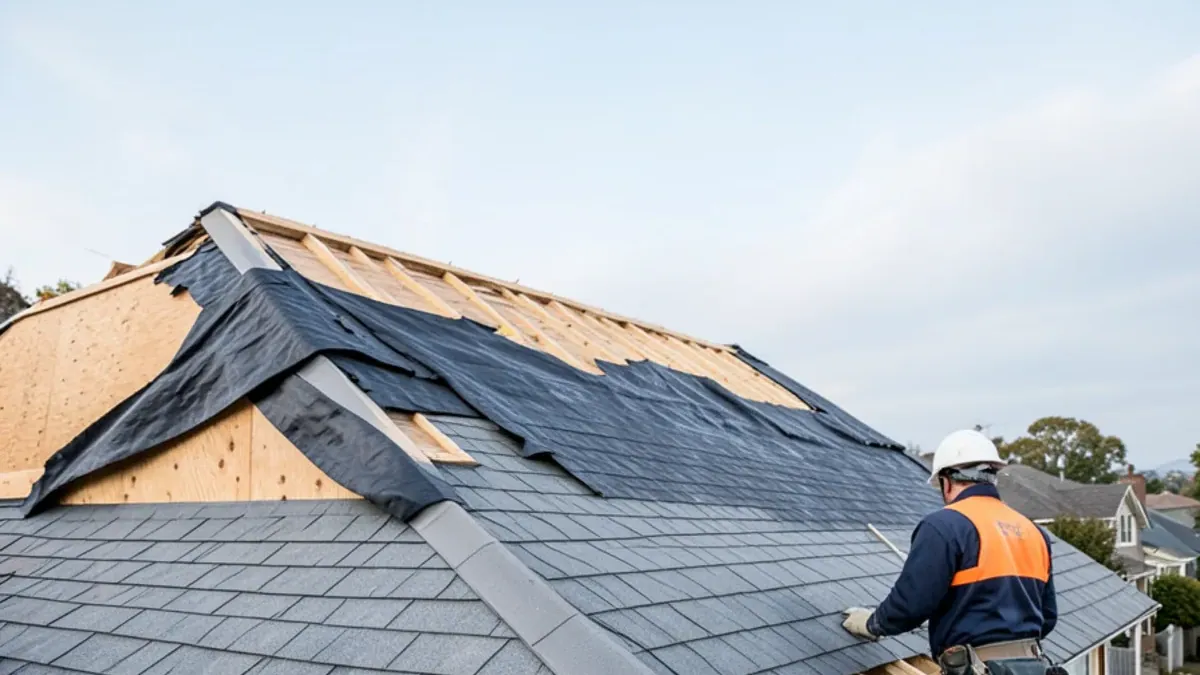
My roofer left the job unfinished: what to do first
Protect the house before you argue about the contract. An open roof does damage every night it rains.
- Photograph everything. Roof, deck, materials on site and any interior stains. Date them.
- Write down the timeline. When work started, when it stopped, what you were told.
- Stop paying. Do not hand over more money until work resumes and is inspected.
- Check the license. Look up the contractor on cslb.ca.gov. Our page on verifying a roofer's license explains what to look for.
- Get the roof covered. A temporary cover is on our emergency roof tarping page.
- Call someone to inspect. You need a second opinion on what was done.
Do not take back what the first crew left on site without asking. Materials you paid for may be yours, but check your contract and keep a list.
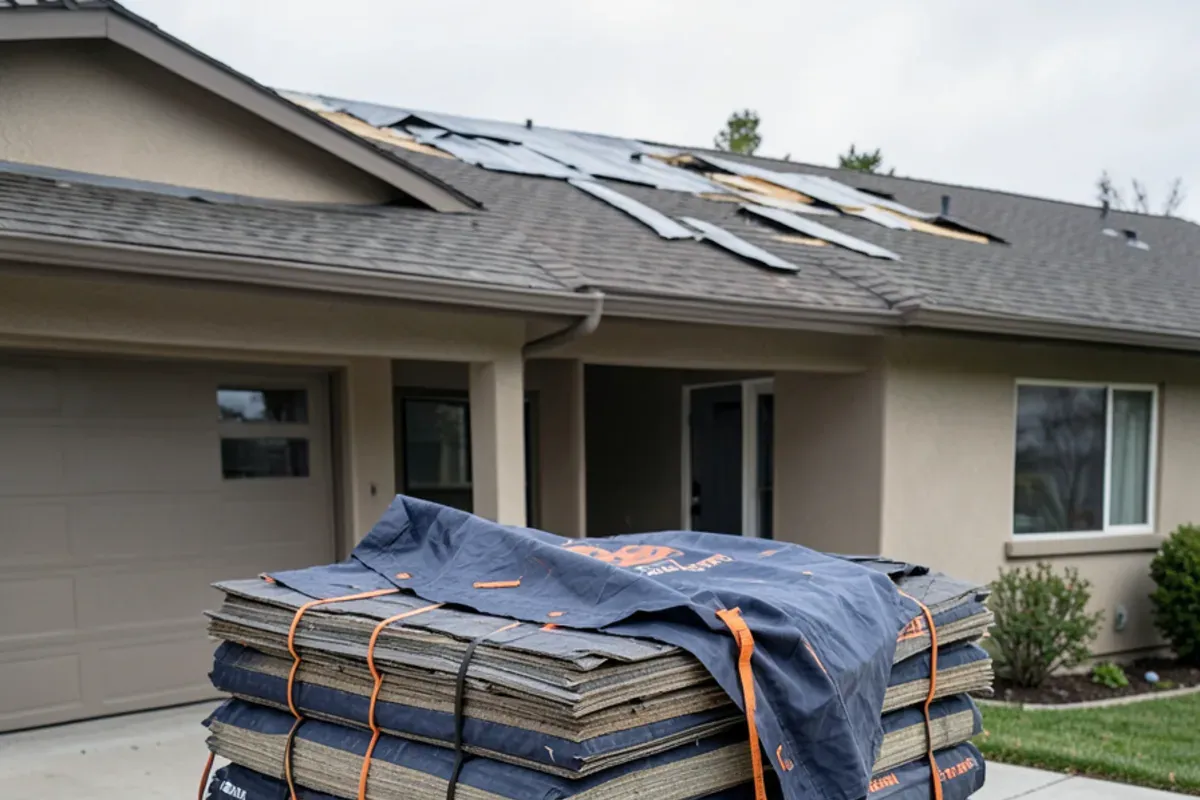
Contractor left roof unfinished: what we find on arrival
Abandoned jobs tend to look alike. We see:
- Underlayment only, with no shingles on it
- Old roof removed on one slope and not the other
- Flashing set but not sealed or covered
- Valleys and ridge left open
- Fasteners missing, wrong or exposed
- Wet decking from a storm that arrived before the cover
The wet season runs October to April, with about 22 inches of rain on roughly 66 days a year (BestPlaces, ZIP 94501). A bare roof in that window is a problem within days. Underlayment is not made to be the finished roof. Sun and weather wear it out, and the longer it sits, the more of it fails.
Roofer did not finish: how we inspect before we take over
We check the work already done before we promise to finish it.
- Probe the deck for soft or wet spots
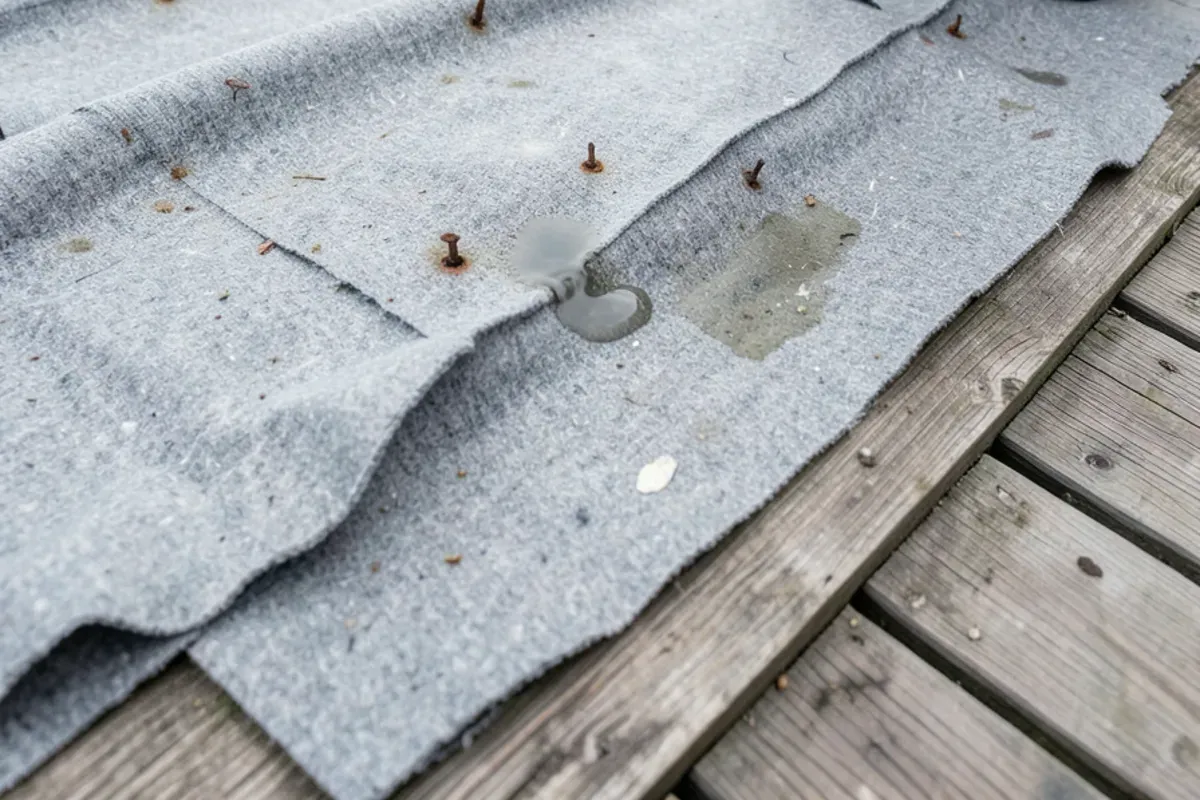
- Look at the underlayment for tears, wrinkles and UV damage
- Check the flashing at walls, chimneys, valleys and vents
- Compare the nailing with the shingle manufacturer's pattern
- Look at the drip edge and starter course
- Confirm how much material is on site and whether it matches what was bought
Some work is sound and stays. Some has to be removed and redone. Our estimate separates the two, so you pay for the finish and nothing you do not need.
Finish roof job: how a takeover works
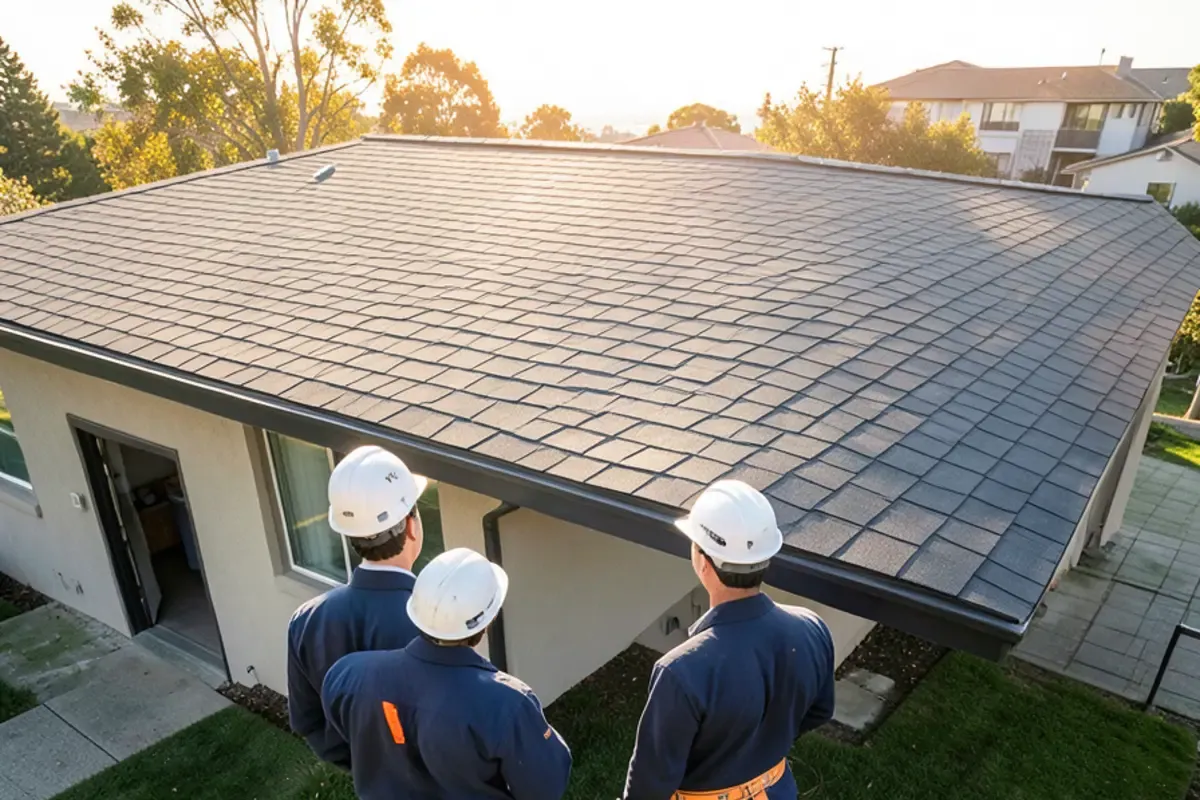
- Inspection. We visit, photograph and write down the state of the work.
- Temporary protection. If the roof is open, we cover or seal it first.
- Written estimate. It lists what is sound, what is replaced, and what remains. The price to finish is separate from any temporary cover.
- Contract and permit check. The estimate names who pulls the permit. If an earlier permit exists, we ask the Permit Center how to proceed.
- Surprises raised before they are fixed. If aged decking or hidden rot turns up, we explain it with a change order before work continues, as one customer experienced.
- The work. Customers report roofs finished in about a day or a couple of days, depending on size.
- Final walkthrough. A site supervisor walks the finished roof with you. Customers report a final walkthrough and daily cleanup.
- Paperwork. Warranty details and paperwork follow.
Take over roofing job: the past contractor, the permit and the money
Do not sign anything that releases the first contractor from responsibility until you have talked to someone about it. We are roofers, not lawyers.
On money, California caps a home improvement down payment at $1,000 or 10% of the contract, whichever is less (B&P §7159.5). If you paid more, keep the records. If suppliers were not paid, liens can follow, so ask for lien releases on any work you pay for.
The permit can complicate a takeover. The City of Alameda Permit Center issues permits for most construction work, and the estimate states who pulls it for the finish. Confirm with them how an earlier permit is handled.
Previous roofer left leak: fixing a bad roofing job
A leak after a roof was partly done usually comes from open flashing, an unsealed valley or underlayment torn by weather. We trace it as in our emergency roof leak repair work. We seal the opening first and then decide whether the flaw can be fixed or the section must be redone.
One Alameda customer had a skylight leak after another roofer's reroof; customers have also reported flashing and gutter faults from a previous job corrected at the same visit. We explain what went wrong in plain terms and avoid blaming the earlier crew beyond what the photos show.
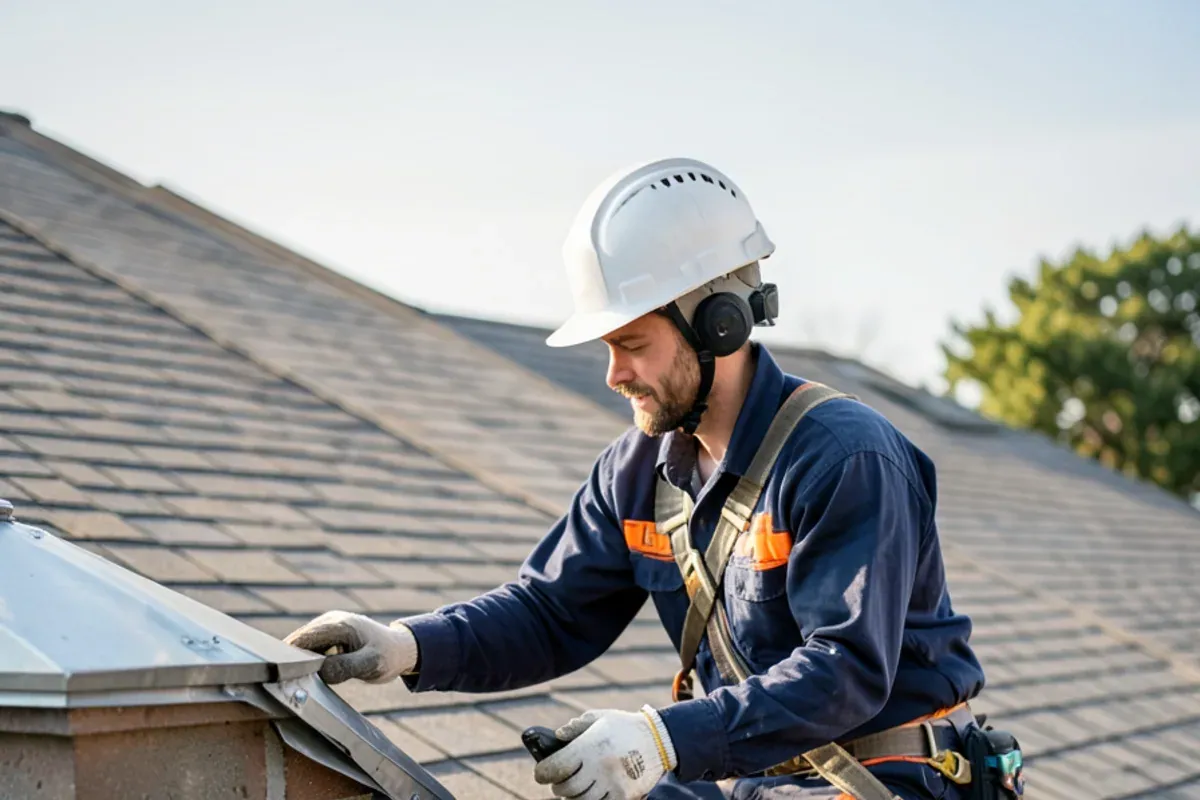
Complaints to the CSLB for an abandoned roofing job
Filing a complaint with the Contractors State License Board is separate from getting your roof finished. File at cslb.ca.gov with your contract, proof of payment, photos and dates, and do not wait: CSLB generally has jurisdiction over complaints filed within four years of the alleged violation (B&P §7030). CSLB treats abandoning a project without legal excuse as grounds for discipline against a licensed contractor. If the person was not licensed, CSLB also investigates unlicensed work.
California requires a C-39 Roofing classification for roofing. The contractor's bond is $25,000 (B&P §7071.6), which may be a source of recovery, though it is limited. Talk to an attorney before relying on it.
What a rescue job costs
We do not publish a price list. These factors set the cost:
- How much of the roof is done and how much is left
- Whether the earlier work is sound or must be removed
- The condition of the deck and underlayment
- Materials already on site and whether we can use them
- Temporary protection needed first
- Permit handling
Get the price in writing; it should separate temporary cover, repairs of earlier work and the finish.
Unfinished roof job rescue across the East Bay
We take over unfinished roofs in Alameda and cover Oakland, Hayward, Berkeley and San Leandro. Traffic on the bridges and tube changes the trip, so we give you a window instead of a promise.