
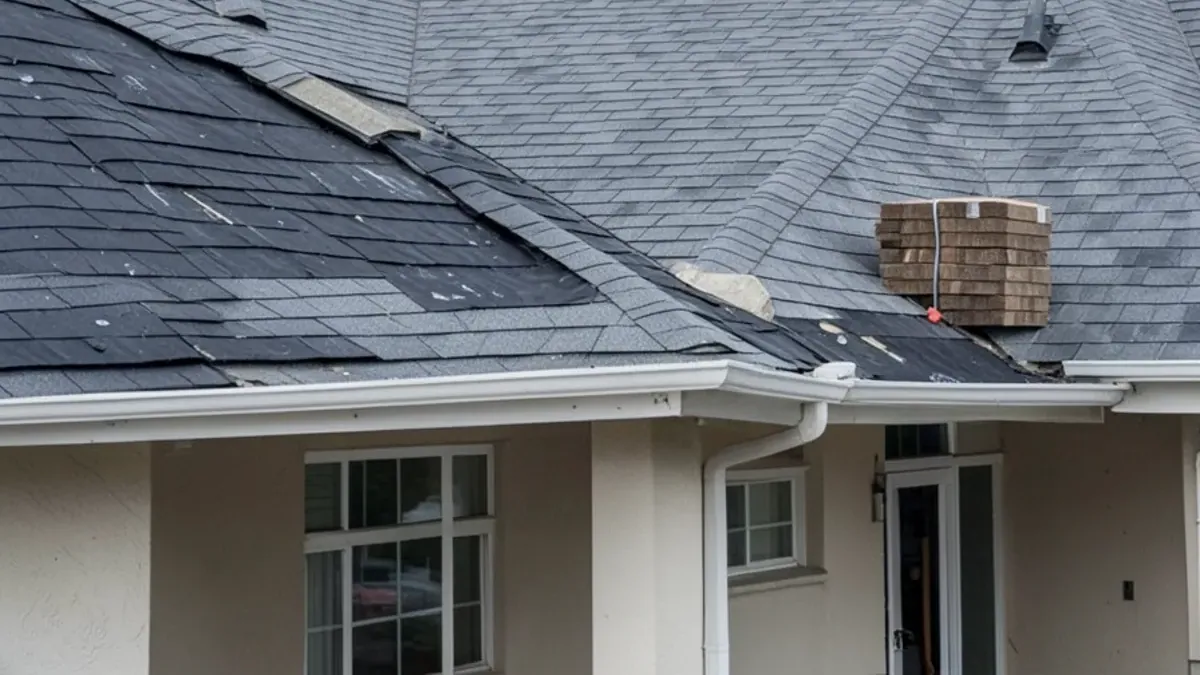
A roofer who did not finish the job leaves you with three urgent tasks: keep water out of the house, build a dated record of what was done and not done, and put the contractor on notice in writing. Once the roof is protected, you can file a CSLB complaint and bring in a second roofer to write a scope for the remaining work.
What should you do in the first 48 hours?
Protect the house first, because every other step depends on it. A roof stripped to underlayment is not watertight in a storm.
- Photograph and video every slope, the ridge, the flashings, loose materials and any exposed decking.
- Save the contract, change orders, texts, emails, invoices and canceled checks, front and back.
- Ask the contractor in writing for a date to return, and say you will hire someone else if you get none.
- Cover open areas or have a roofer dry them in, and keep the receipt.
- Stop payments. Pay nothing further until the scope is settled.
- Look up the contractor's license record at cslb.ca.gov and note the status, bond and workers' compensation details.
Keep the written notice calm and factual. A short note that lists the date work stopped, what remains and a deadline gives you something to attach to a complaint later.
Is walking off a job legal?
It is not, if there is no legal excuse. California Business and Professions Code section 7107 makes abandonment of a construction project without legal excuse a cause for disciplinary action against a licensed contractor. Delays from bad weather, a permit hold, a supplier backorder or a change order dispute can look like abandonment but may not be. The written notice is how you tell the difference: a contractor with a real reason will usually answer, and one who has left will not.
How do you document an unfinished roof?
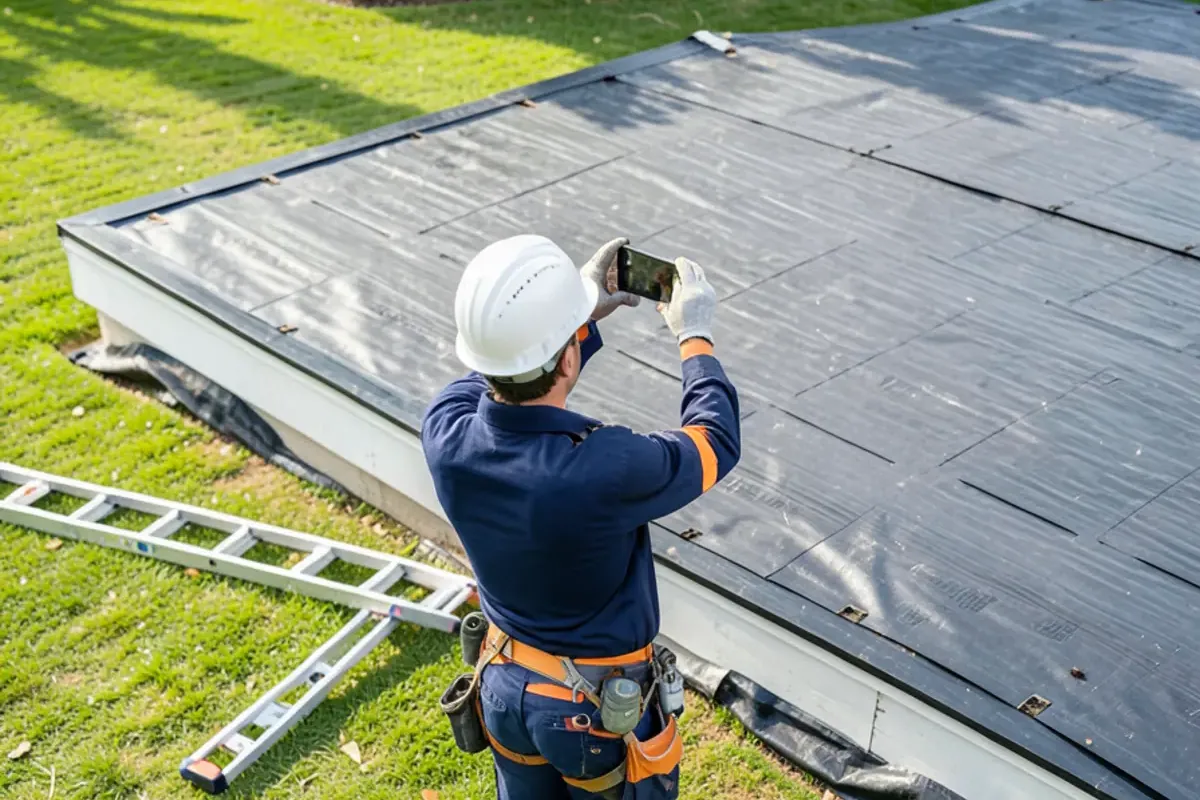
Document it as if an adjuster, a judge and a new roofer will all read it. Date-stamped photos matter more than explanations, so shoot wide and close-up shots from the ground and, if safe, from a ladder at the eave. Do not walk on the roof yourself.
Keep a short timeline: signing date, start date, last day crew was on site, every call and text since. Note what was paid and when, and compare it to the work completed. CSLB's roofing guide warns against letting payments get ahead of the work, and caps the down payment at 10 percent of the contract price or $1,000, whichever is less.
Is it a pause or an abandonment?
A pause has a reason and a date. Abandonment has neither. Use this table when you decide whether to send the final written notice:
| Sign | Likely a pause | Likely abandonment |
|---|---|---|
| Contact | Replies within a day or two | Calls and texts go unanswered |
| Reason | Weather, permit hold, material backorder | None given, or a changing story |
| Return date | Offered and kept | Promised, then missed twice |
| Site | Tarped or dried in before leaving | Underlayment or decking left open |
| Money | Asks for payment tied to finished work | Asks for more before returning |
If you see more than two entries in the right column, send the notice, stop payments and start getting second-roofer bids.
How do liens and payments work after a contractor leaves?
Paying the first contractor does not guarantee their suppliers and subcontractors are paid. CSLB explains that a signed conditional release should come before you pay a claimant, and an unconditional release after you pay. You may withhold the next payment until you hold the unconditional releases for the last one.
Ask the first contractor for a list of suppliers and subcontractors, and ask the supplier whether the shingles on your site were paid for. Do this before you approve any new work, because an unpaid supplier can file a claim against the property and you will want that settled early. If a lien notice arrives, CSLB has a page on what to do, and it is worth reading before you reply.
How do you check a half-finished roof before a new crew starts?
A takeover roofer checks what was done before building on it. The decision is how much of the old work stays, and that call is made roof by roof, not in advance. Typical checks:
- Underlayment condition: tears, fishmouths, wrinkles, and how long it sat exposed to sun and rain
- Fasteners: staple use, high nails and missed sheathing, which a flat bar finds quickly
- Flashing and drip edge: whether the first crew installed or skipped them at walls, chimneys and eaves
- Decking: soft or stained boards under the underlayment, which tear-off often finds
- Ridge and vents: whether the ridge is open or has temporary patches
- Permits: whether an open permit or inspection record needs to carry over
Keeping the old underlayment saves time, but only if it is sound. Where it is not, the honest answer is to strip it and start over. A written scope should show which parts are staying, which are replaced, and why. Our emergency roof leak repair page explains the dry-in step if rain is coming before the takeover begins, and emergency roof tarping covers a temporary cover.
How does a CSLB complaint work?
A complaint is filed online, by mail or by calling CSLB at (800) 321-CSLB, and it is free. CSLB asks whether you notified the contractor of your concerns, so keep a copy of that letter. Send copies, not originals, of the contract, change orders, canceled checks and invoices.
Know the limits. CSLB investigates and disciplines contractors, but it does not award damages. Its guidance points owners who want money back toward the courts, small claims for amounts up to the court limit the guide cites at $12,500, or a claim against the license bond through the surety. CSLB's jurisdiction generally covers violations up to four years from the date of the act. If CSLB cannot settle a complaint, it may refer you to alternative dispute resolution. It has limited power over unlicensed people, which is another reason to check the license before work starts.
What happens when a second roofer takes over?
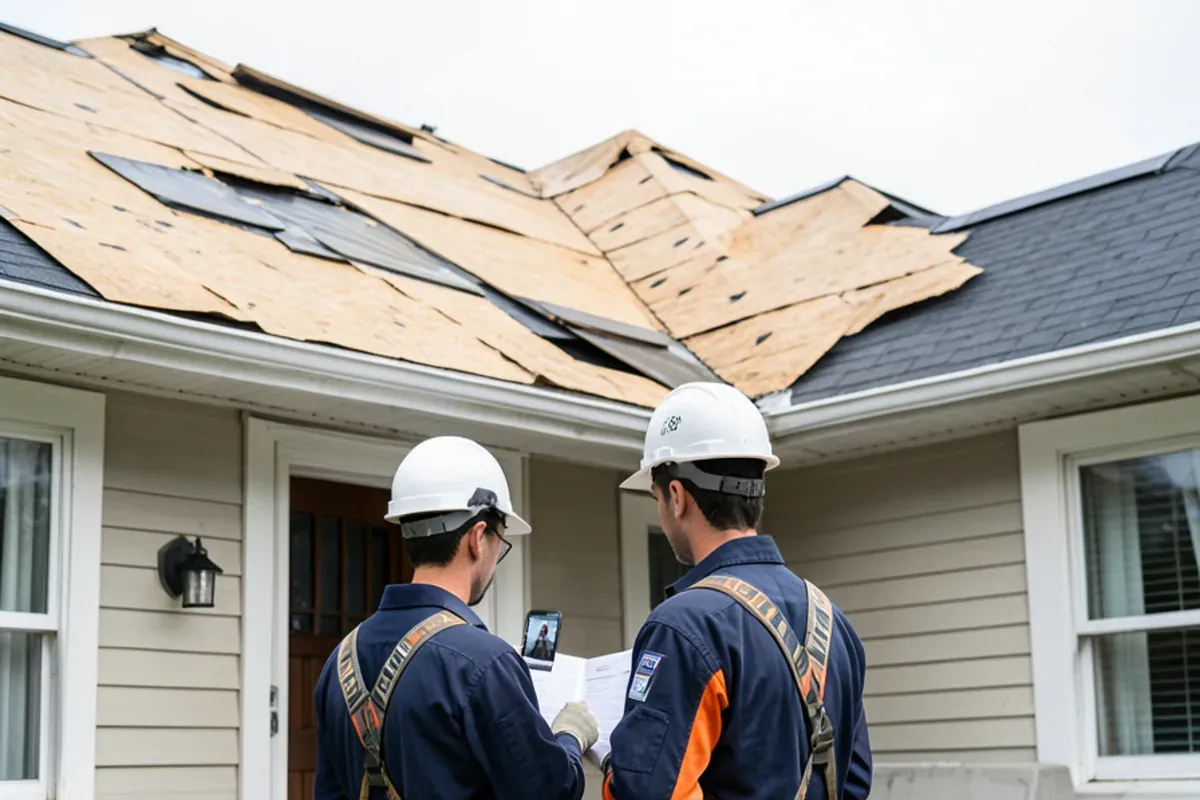
The new roofer inspects before quoting, because the previous crew's work cannot be assumed sound. That means checking underlayment for tears and fastener problems, looking at flashings and deck condition, and writing a scope that separates finishing work from correction.
Expect surprises under old work. On one Alameda job, a change order for aged decking was explained before work continued, which is how it should go. Ask any roofer to explain surprises in writing before work proceeds.
What takeovers look like in Alameda
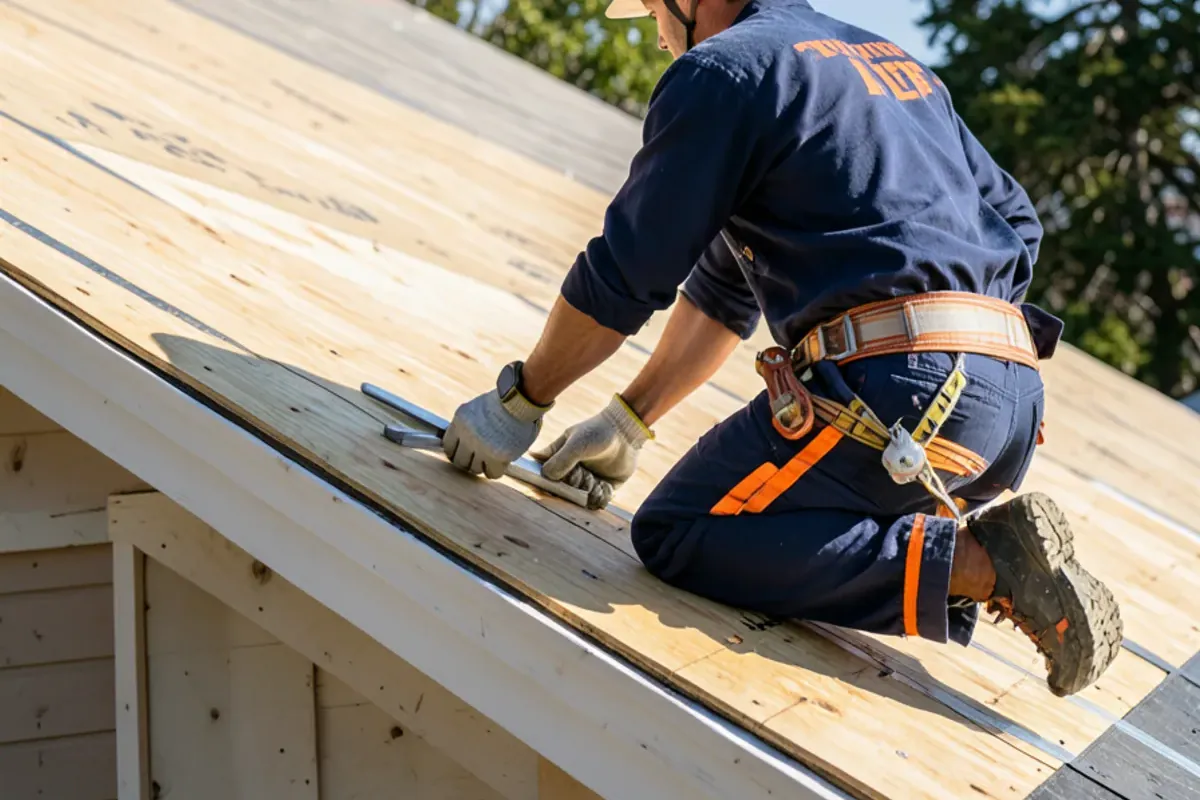
Rescue work is part of the job here. One Alameda customer had a roof where a previous crew left only underlayment and a leak, and the finishing took a couple of days. Another customer's contractor stopped returning calls, and we took over from there. A third had been left with the back side unfinished by an earlier roofer, which is why that homeowner called us.
One customer also reported that nothing was asked of them until the finished work had been inspected. That is one customer's experience, not a policy, and your own contract sets the payment terms. Get any terms in writing, and ask us questions before you sign.
Our unfinished roof job rescue page lays out the steps, and the emergency roof repair hub has related leak and tarping guides. For a home in Alameda, the home page shows how visits are arranged from Webster St. The estimate should also state who pulls the permit, so confirm that and ask the Permit Center whether the first contractor left an open permit.
If your roof is open to the weather now, call the office, describe what is on the roof and ask for a free estimate. Photos from your phone speed up the first conversation.