
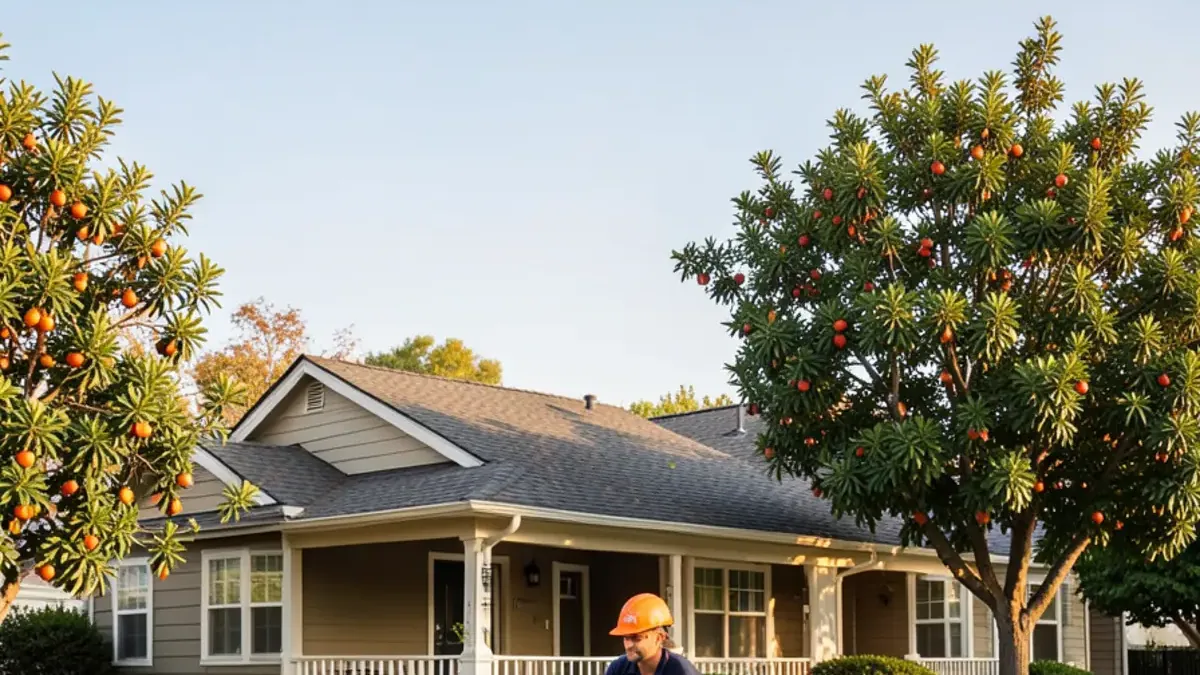
Fruit-town ranches with layers of history
Campbell's fruit-packing past gave the city canneries and drying yards, and the orchard land later became ranch-style housing. The Campbell Fruit Growers' Union had a 17-acre drying yard by 1892 (Wikipedia, Campbell). Those ranches are now old enough that many carry more than one roof covering.
Most Campbell homes date to the 1950s through 1970s, and a typical house runs 1,000 to 1,600 sq ft on a lot near 6,000 sq ft (Wikipedia, Campbell). Small roofs sit close together, so a neighbor's reroof is a good reason to look at your own. The city's 2020 census counted 18,385 housing units, and only 49.2% of homes are owner-occupied, which means a large share of roofs belong to landlords who need dated photos and clear invoices for their records.
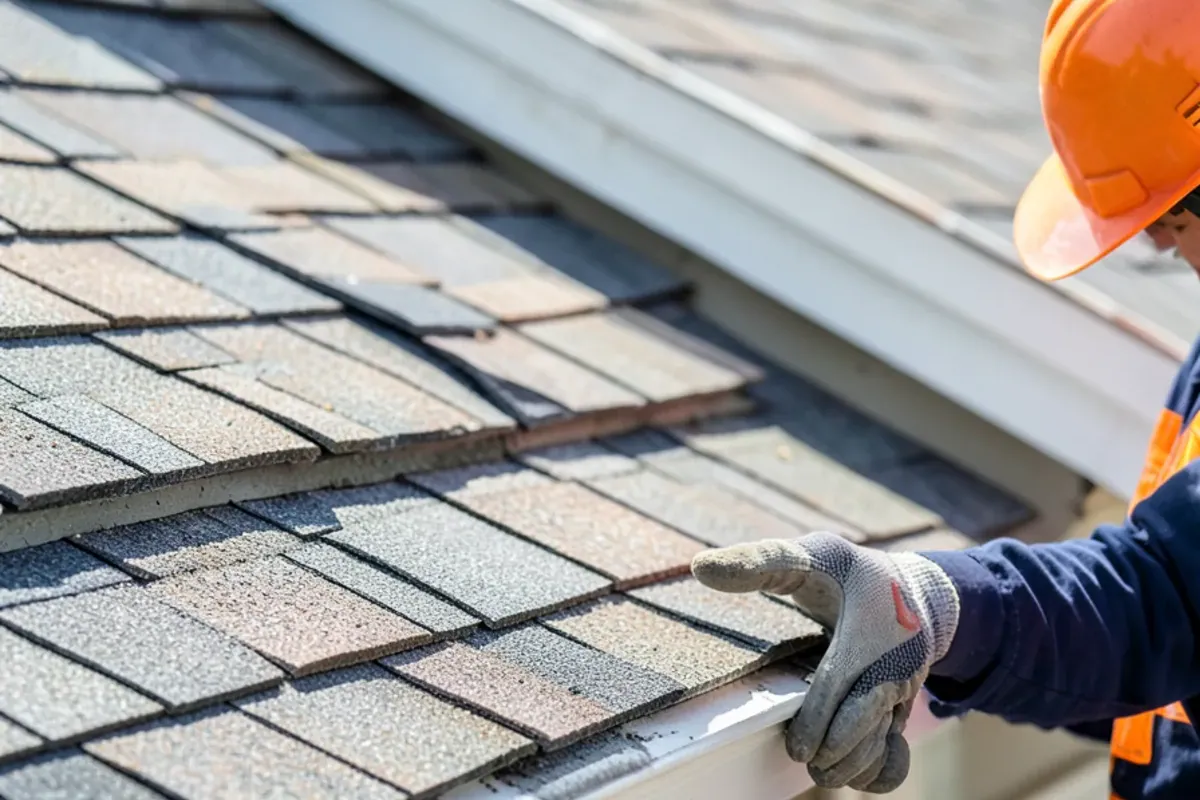
California's building code does not allow a new covering over two existing applications, so layers decide the plan before shingle choice does. We count them at the roof edge, check the deck at tear-off and raise any surprises with you before moving forward. On one Alameda job, a change order for aged decking was explained before work continued, and that is how we handle it.
Creekside trees and 23 inches of rain
Los Gatos Creek runs along Campbell's east side, and annual rainfall averages 23.27 inches (Wikipedia, Campbell). Trees by the creek and in older yards drop leaves into gutters, and long wide eaves on ranch homes make those gutter runs heavy when clogged.
Downtown, the Ainsley House and the creek trail
Campbell Avenue runs through downtown where it crosses the railroad, and the streets close for a farmers market every Sunday morning (Wikipedia, Campbell). The Ainsley House, an English Tudor home built in 1925, was moved downtown in the early 1990s. The Campbell Water Tower dates to 1928, and the Redwood Tree planted in 1903 sits at Winchester Boulevard and Campbell Avenue.
State Route 17 bisects eastern Campbell beside Los Gatos Creek, Route 85 clips the southwest corner, and San Tomas Aquino Creek runs through concrete culverts on the west side. Winchester Boulevard and Bascom Avenue carry the main traffic, so a roof delivery to a ranch off either needs a street-parking plan before the truck arrives. The Dubcich farm on West Campbell Avenue is the last agricultural property left in the city.
Zone 4 and the permit route
Campbell is in Climate Zone 4. Past the 50% mark, a reroof calls for a CRRC-rated cool product, and exceptions exist. The City of Campbell building division issues permits for homes inside the city, and the estimate lists the applicant.
Roof work for the ranches near the Pruneyard
- Roof Repair
Mid-century ranch roofs often hide old patches and layered coverings, so repairs start with finding what is there. With about half of Campbell's homes rented, we also document damage for landlords' records.
- Roof Replacement
A roof with two existing layers cannot be covered again, so a full tear-off is required. On 1950s ranches, tear-off also shows whether the original deck needs sheathing repair.
- Gutters
Wide eaves on 1950s ranches carry long gutter runs that clog from creekside trees, and replacement is priced with the new drip edge so water leaves the roof cleanly into the downspouts.
- Skylights
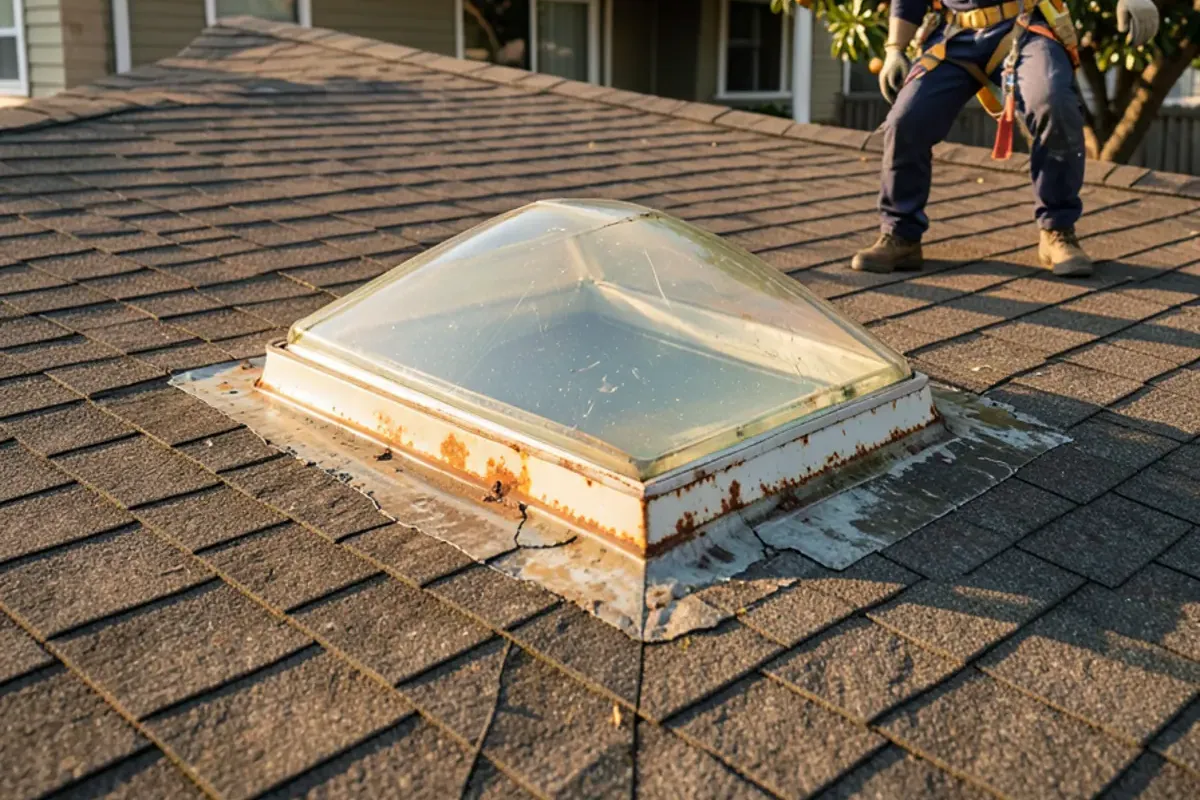
Skylights from earlier remodels leak at old flashing; resealing is often the first option. Plastic domes added decades ago may be past repair, and we say so before suggesting a unit swap.
- Emergency Roof Repair
We triage leaks by phone; the hour-long drive and crew availability decide when we arrive. A short call about the leak's location lets us give you tarp and bucket advice first.
- Roof Inspection
A layer-count inspection fits a 70-year-old ranch: we photograph the roof edge, ridge and valleys, note old patches, and give you a written list of what is repairable and what is not.
- Roof Maintenance
Leaves from creekside and yard trees clog valleys and gutters on ranches with wide eaves, so a yearly clean-out and flashing check before the first October rain keeps small problems from growing.
Scheduling a Campbell inspection
You call the Alameda office, we book an inspection, and a written estimate follows with photos of what we found. We do not promise quick arrival for leaks at this distance; we triage by phone and visit as crew availability allows.