
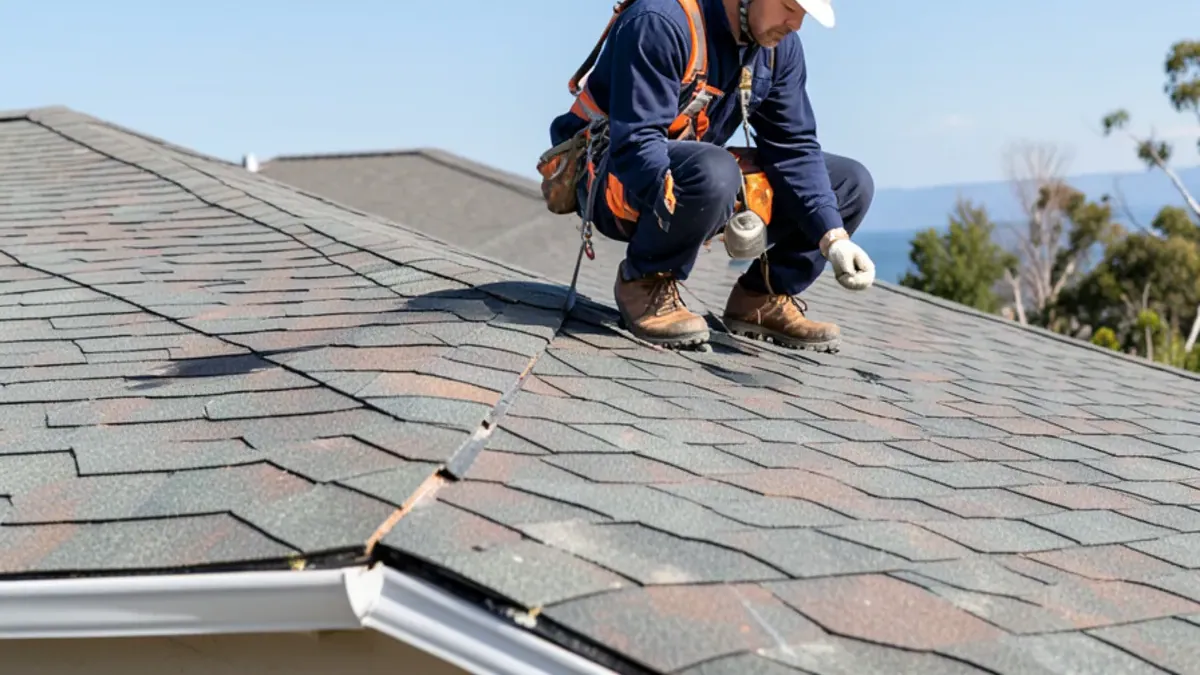
A professional roof inspection is a head-to-toe check of the whole roof system: the surface, the flashing, every opening cut through it, the gutters and the attic underneath. It ends with photos and a written list of findings ranked by urgency, so you know what needs work now and what can wait.
What gets checked on the roof surface
The inspector works from the eaves up to the ridge and records each of these:
- Shingles or tiles that are cracked, curled, lifted or missing, and bare patches where granules have worn off
- Exposed or backed-out nails and sealant that has dried and split
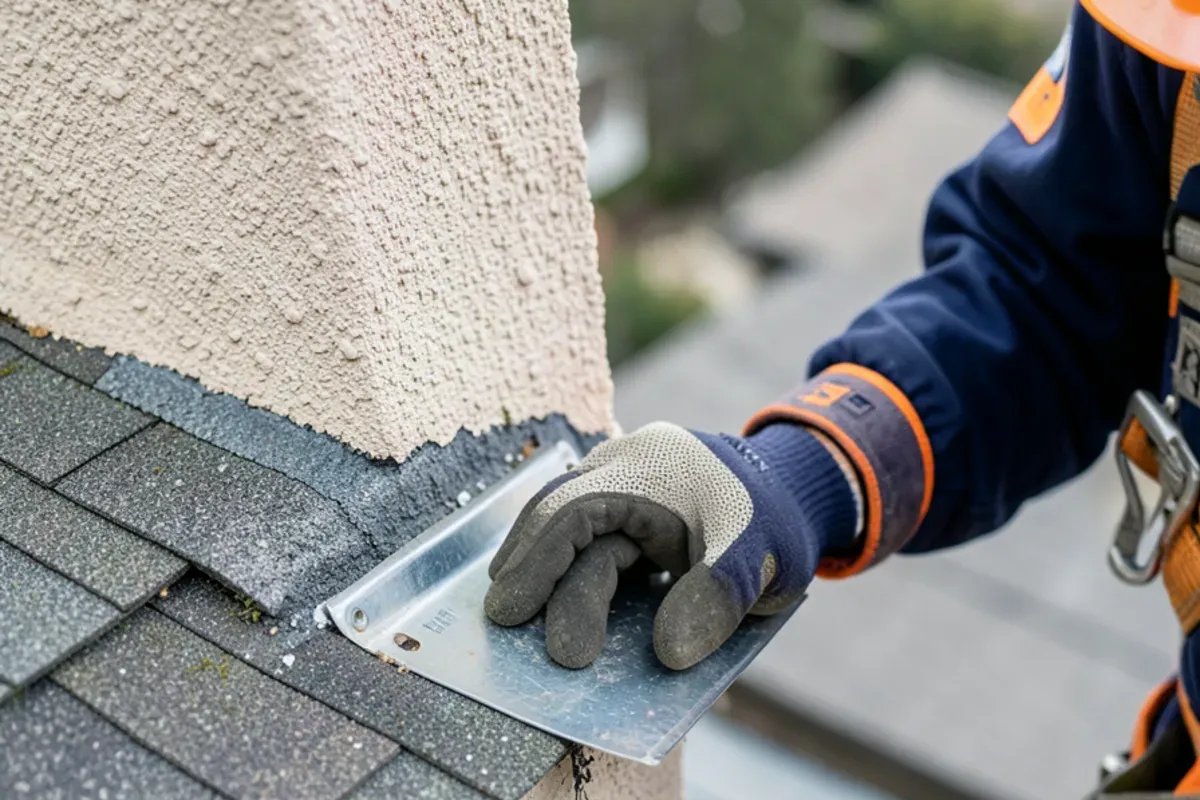
- Step flashing, chimney flashing and wall flashing, where most Alameda leaks begin
- Plumbing vent boots, exhaust vents and skylight curbs
- Valleys, ridge and hip caps, and the drip edge along the eaves
- Gutters, downspouts, fascia and soffits, which show whether water has been spilling where it should not
- Earlier patches, and whether they were done correctly
Photos are taken of every problem, with a note of where it sits on the roof. A finding without a location is hard to act on later.
What the attic tells us
The attic shows what the surface hides. Dark stains on decking, daylight through boards, damp insulation, rusted nail tips and mildew all point to water or trapped moisture. Alameda gets roughly 22 inches of rain a year, nearly all of it from October to April (BestPlaces), so an attic that stays damp through the dry months is a ventilation problem as much as a roof problem.
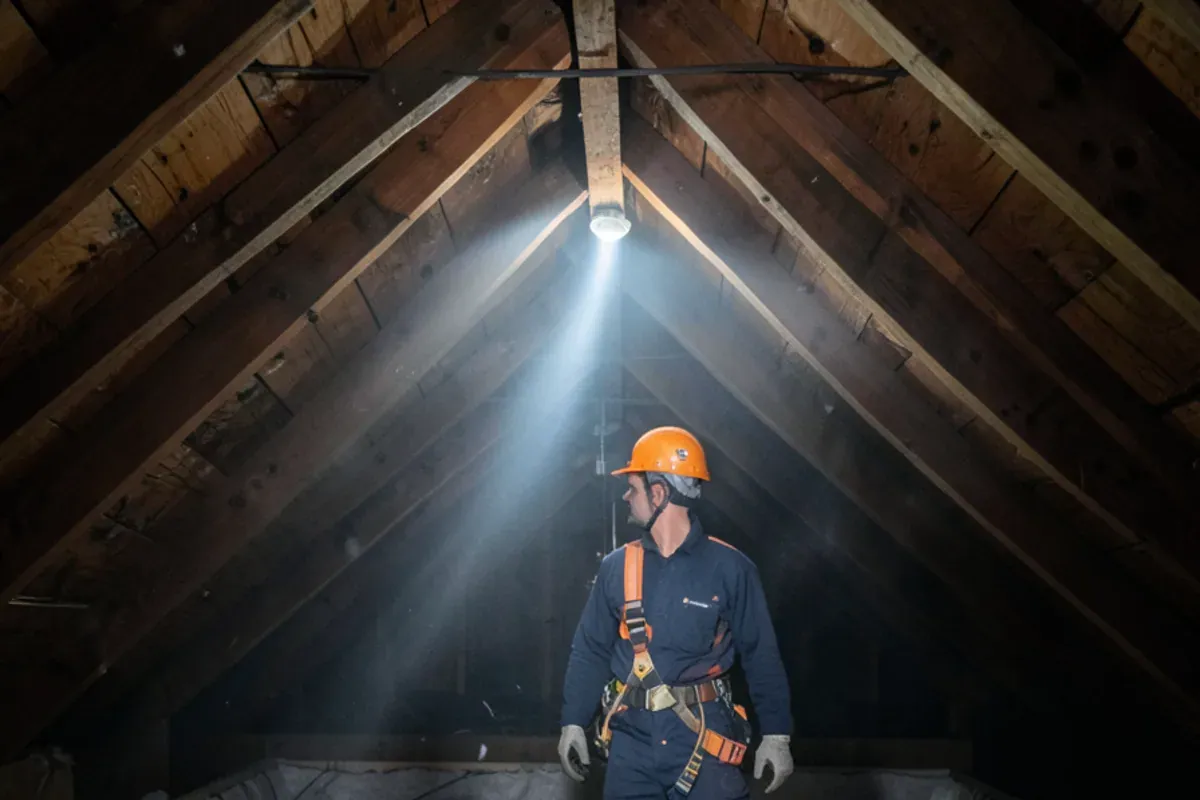
Older homes on the island often have plank decking, and an inspector can press on suspect areas from below. Soft or dark boards matter, because decking that has aged out gets replaced during tear-off. On one Alameda job, aged decking led to a change order that was explained before work continued. A good inspection warns you about that possibility before the contract is signed.
Do aerial or drone photos replace a walk on the roof?
No, but they add something a walk cannot. Aerial photos, whether from a drone or satellite imagery, show the whole roof at once: its layout, the number of planes, overall wear and what sits beside it, such as overhanging trees. They cannot feel a soft spot or lift a shingle to check the nails.
Past Alameda customers report aerial photos used on steep or multi-roof properties, and one metal roof estimate was done from satellite images and GPS. That fits steep or hard-to-reach roofs, where a person on the surface adds risk. On a simple low-pitch roof, a ladder and a close look serve better.
What a roof report should contain
A useful report is specific and ranked. Expect photos tied to locations, a condition note for each roof area and a plain recommendation: repair, monitor or replace. The sorting below is how most reports should read.
| Finding level | What it means | Usual action |
|---|---|---|
| Urgent | Active leak or exposed decking | Temporary protection, then repair |
| Soon | Failed flashing, lifted shingles, clogged drainage | Repair before the next rainy season |
| Monitor | Normal aging, minor granule loss | Recheck after the next storm season |
If a report only says the roof needs replacing and shows no photos, ask for the evidence. Your written estimate is the figure that counts, so make sure it matches the report.
How should I prepare for the visit?
A little preparation makes the findings more useful. Gather these before the inspector arrives:
- The roof's approximate age and any invoices or permits from earlier work
- A note of every stain, drip or damp spot inside, with the date you first saw it
- Access to the attic hatch, cleared of boxes
- Gate access and a word about dogs
- Any plans for solar, a skylight or an addition
Then ask when the written findings will reach you and in what form. Photos tied to locations are the standard to ask for.
How does a roof inspection run, step by step?
The order is the same on most houses, and it is the order you should expect from any company.
- A call or request, with the roof's age and what prompted the visit.
- A walk around the house to look at the roof edges, gutters, fascia and the ground for shingle granules or debris.
- A look at the roof surface, by ladder, by walking it or from aerial photos, depending on pitch and condition.
- A close check of flashing, vent boots, skylight curbs and the chimney.
- The attic, with a flashlight, for stains, daylight, damp insulation and rusted nail tips.
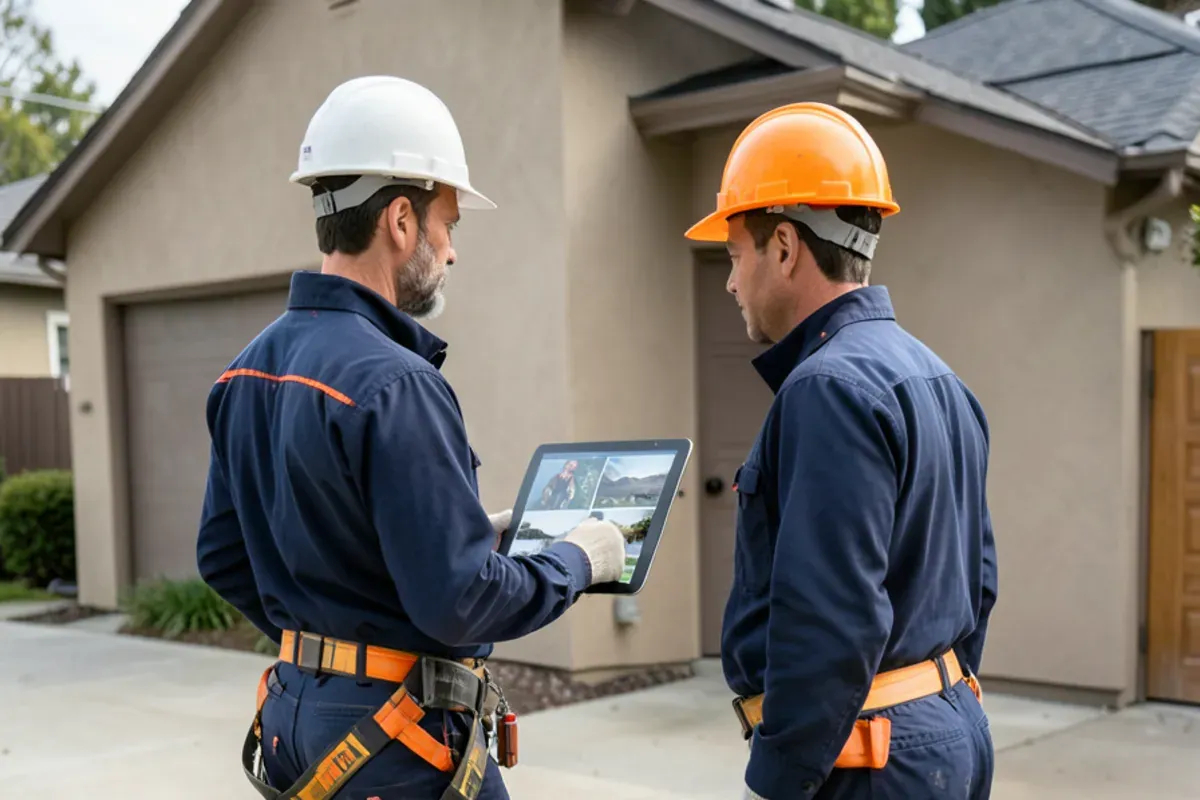
- Photos and a ranked written list, with the next step for each item.
Steps two through five take most of the visit, and step six is what you keep. A visit that ends with a verbal opinion and no list leaves you nothing to compare against another bid.
What does a roofer notice that a camera misses?
Touch and sound. A roofer walking the surface feels a soft spot in the decking, hears a hollow shingle and sees a nail head that has backed out a sixteenth of an inch, none of which shows in an aerial image. The attic adds smell: a musty attic in August points to trapped moisture, not an active leak.
The trade-off is wear. Old, brittle shingles and tile can crack under foot, so on a fragile roof a careful inspector stays on the lower slopes and uses photos for the rest. Ask which approach your roofer plans for your roof and why.
How is an inspection different from a roof certification?
An inspection reports condition. A certification is a written statement, often requested by a buyer, lender or insurer, that the roof has a stated number of years of service left or is free of active leaks at the date of the visit. The wording and the time frame vary between companies, so read what the paper promises and what it excludes. The roof certification page explains what that report covers, and a maintenance visit is the better fit when the roof is sound and you want to keep it that way.
What we see on Alameda inspections
The pattern on island roofs is consistent: small failures at flashing, skylights and vents, on roofs that are otherwise holding up. Past customers describe visits scheduled within a day of the call, with a detailed written quote after.
Honest outcomes are common. One customer was told to wait rather than replace, and another got advice on keeping old shingles going. A second opinion told one homeowner that a much higher patch quote was too high. Pedro once sealed a small skylight leak from the truck before the customer had hired the company. Wayne or Pedro often does the inspection, and photos of progress and finished work have reached customers the same day.
Getting a roof inspected before you buy a home
A home buyer should hire a roofer to inspect the roof during the contingency period, not rely only on a general home inspector's visual pass. Ask for the remaining service life in plain terms, a list of repairs and a written estimate for each one. That list gives you something concrete to take to the seller.
Check the permit history for past roof work too. The City of Alameda keeps records online. A recent reroof with a final inspection is worth more than a seller's word that the roof is new.
What does a roof inspection cost?
The fee varies by company, roof size and whether the visit includes a written report. Past customers report free inspections and free estimates from Apex Shield, but ask what is included before you book, and ask for the terms in writing. An inspection that comes with no photos or findings is not worth the call.
Booking an inspection
If you want a roof looked at before the rains or before closing on a house, call or request an estimate through the site. Tell us the roof's age, whether you have seen stains inside, and what prompted the visit. The roof inspection page lists what each visit includes, and we work on homes across Alameda and the nearby East Bay. The full list of cities is on the service areas page.